Close
As the temperature drops, your passion for the water doesn’t have to go idle. Following proven winter boating tips ensures your vessel stays safe, operational, and ready for action even in the off-season.
At Set Sail Boat Transport, we understand the unique challenges cold weather brings to mariners, from icy decks to engine gelling, and how preparation can prevent costly repairs and safety hazards.
These ten tips move beyond the basics to give you a professional, proactive approach for winter sailing.
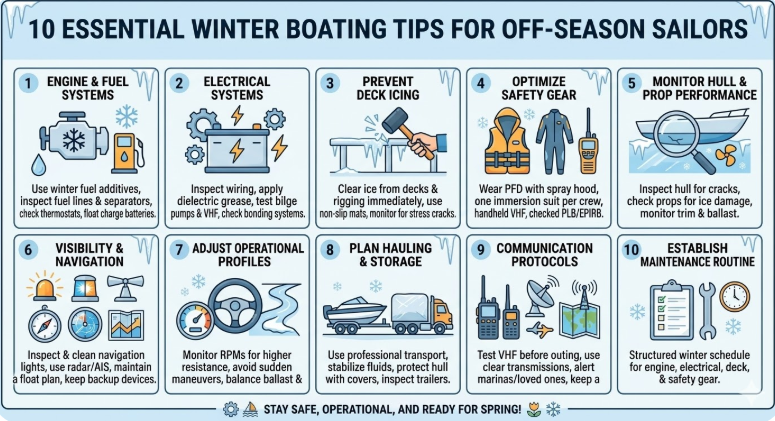
Cold weather can stress even the most reliable engine. Diesel engines, in particular, are prone to fuel "gelling," while gasoline engines can suffer from condensation and phase separation.
Key steps to maintain performance include:
Following these steps makes sure your engine runs smoothly when you need it most, especially during extended winter excursions or when prepping for boat trailer transport.
Electrical failures are far more common in cold conditions than most captains expect. Proper attention to wiring, terminals, and safety systems keeps your vessel operational:
Even minor electrical issues can escalate quickly in freezing temperatures, so integrating these into your off-season routine is important.
Ice accumulation isn’t just inconvenient. It can compromise stability. When spray freezes on railings, cabins, or the superstructure, your center of gravity rises, increasing the risk of capsizing.
Taking the time to manage ice beforehand is one of the most important winter boating tips for your crew’s safety.
Cold water shock can incapacitate a person in seconds. Winter boating requires more than standard life jackets. It demands specialized equipment and fast deployment.
Equipment Item | Winter Requirement | Purpose |
PFD with Spray Hood | Must be worn, not stored | Prevents cold water shock and secondary drowning |
Immersion Suit | One per crew member | Extends survival time from minutes to hours |
VHF Radio | Handheld with extra batteries | Cold drains batteries faster; backup is essential |
PLB / EPIRB | Checked and registered | Vital for search and rescue |
Engine Space Heater | Ignition-protected | Prevents block cracking and ensures easy starts |
Cold water density affects how your vessel sits and handles. You may notice slight changes in displacement or propeller load:
Understanding these subtleties helps you maintain control in slick or partially frozen waters.
Shorter days, fog, and snowfall make visibility a top priority, which is why you need to follow proper winter boating tips.
Winter visibility hazards are underestimated, but cautious planning prevents accidents and helps you react quickly in emergencies.
Cold water is denser than warm water, subtly affecting engine load and hull performance. Key operational adjustments include:
These minor adjustments help maintain efficiency and reduce stress on mechanical systems.
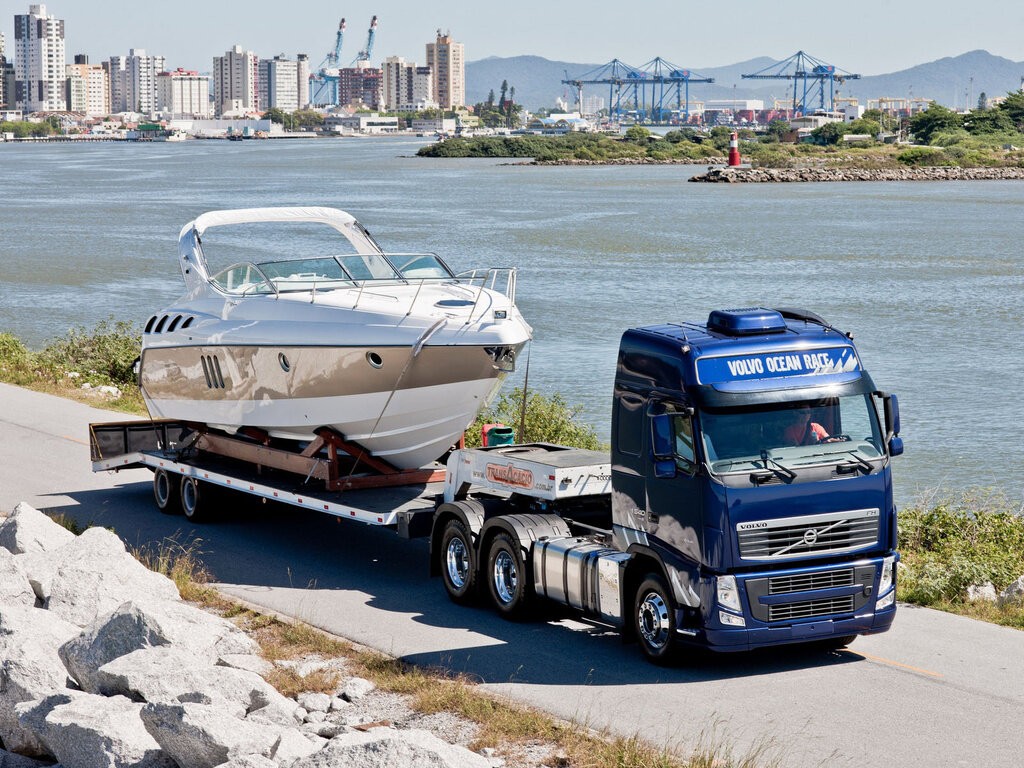
Sometimes, winter sailing isn’t worth the risk. In these cases, professional transport or storage protects your vessel:
Properly handling winter haul-outs makes sure the boat is ready for spring without damage or costly repairs.
Winter conditions reduce natural visibility and increase emergency risk. Communication is vital:
Maintaining robust communication channels is one of the most overlooked but critical winter boating tips for safety.
Finally, a structured winter maintenance schedule keeps your vessel operational year-round. Focus on:
At Set Sail Boat Transport, we support your year-round boating lifestyle. From handling winter logistics to professional transport and care, we help you keep your vessel in peak condition, whether it’s on the water or in off-season storage.
Is it time to move your vessel to a safer winter harbor or a heated storage facility? Get in touch with boat transportation company today for a professional quote, and let us handle the winter logistics for you.