hacklink hack forum hacklink film izle hacklinkCellesim Europe regional planSpincobets10 girişcasibomjojobetvdcasino girişsonbahisalobetbets10yakabetmavibetgalabetromabetmavibetkingbet188lunabetlunabetjojobet girişjojobetnakitbahisjojobetmavibetnorabahisnitrobahistipobetpulibeten iyi bahis sitelerirestbetrestbet girişcasino siteleri
loader image
set sail logo no contact
boat prep checklist
March 23, 2026

The Ultimate Boat Prep Checklist for a Stress-Free Launch

Launching your vessel is a milestone in every boating season, but without proper preparation, it can quickly become a stressful experience.

A thorough boat prep checklist ensures that every system is ready, from the hull to the electronics, giving you confidence the moment your boat leaves the trailer.

At Set Sail Boat Transport, we know that precision and careful planning during launch preparation make the difference between a smooth day on the water and unexpected repairs or delays.
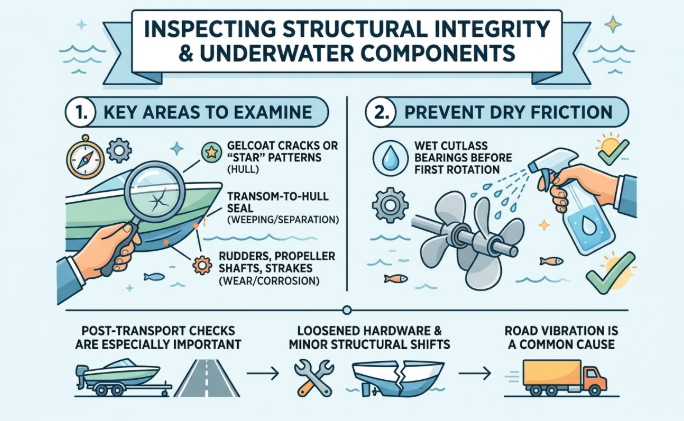
Inspecting Structural Integrity and Underwater Components

6.6

Before approaching the ramp, you need to ensure your vessel’s structural health. Hidden stress points can compromise performance and safety if overlooked:

  • Examine the hull for gelcoat cracks or “star” patterns that indicate more serious damage.
  • Inspect the transom-to-hull seal for weeping or separation.
  • Check rudders, propeller shafts, and strakes for wear or corrosion.
  • Wet cutlass bearings before the first rotation to prevent dry friction.

If your vessel recently arrived via interstate boat transport, these checks are especially important because road vibration can loosen hardware or create minor structural shifts that aren’t visible during transport.

Ensuring Engine and Cooling System Readiness

Airlocks and fluid dynamics are common culprits of launch-day failures. Your engine and cooling system must be primed to function immediately.

  • Inspect sea strainers and remove debris.
  • “Burp” the cooling system to remove trapped air before ignition.
  • Check drive belts and hoses for cracks, brittleness, or fraying.
  • Test the engine-start sequence briefly in the staging area without running dry.

Failing to prepare your engine properly can lead to instant overheating or damage during the initial float-off.

Verifying Electrical Systems and Safety Gear

Electrical systems and safety equipment are non-negotiable for a successful launch. Your prep should cover:

Category

Essential Task

Technical Focus

Electrical

Bilge pump & float switch

Trigger float manually to verify activation

Electrical

Battery terminals & wiring

Ensure connections are tight; check for corrosion

Safety

Fire suppression & flares

Verify gauge pressure and expiration dates

Safety

VHF Radio

Conduct a radio check; ensure antenna is secure

A quick check of these systems can prevent minor oversights from turning into major problems once the boat is in the water.

Preparing for a Smooth Ramp Experience

The launch ramp can be chaotic, and efficiency is crucial. Use these steps to reduce stress:

  • Remove tie-downs and load gear in the staging area.
  • Hang fenders at the appropriate height for dock clearance.
  • Perform final engine starter tests to confirm battery readiness.
  • Plan your float-off in coordination with any professional boat transport driver to match the trailer height and hull profile.

Being prepared here prevents long waits and potential accidents, ensuring your boat slides into the water without incident.

Managing Fuel and Fluid Levels

Weight distribution affects handling and trailer stress. Your boat prep checklist should include:

  • Verify drain plugs are properly seated with O-rings intact.
  • Partially fill fuel and water tanks to reduce weight for easier maneuvering.
  • Confirm oil, transmission, and coolant levels are at recommended marks.
  • Secure fluids to prevent spills during transport or launch.

Properly balanced tanks also make it easier to handle the vessel on the first maneuver, especially in tight marina spaces.

Cleaning and Environmental Compliance

A clean hull and bilge are important for both legal compliance and environmental protection:

  • Inspect the bilge for oil, fuel, or debris; place absorbent pads as needed.
  • Follow "clean, drain, dry" procedures when moving between waterways.
  • Flush livewells, bait wells, and cooling systems of any standing water.
  • Wipe decks and cockpit surfaces to prevent slipping hazards.

These steps indicate responsible boating and prevent contamination of sensitive ecosystems.

Finalizing Mechanical and Steering Systems

Your steering and propulsion systems must respond instantly once afloat.

  • Test steering linkages and ensure smooth, unrestricted movement.
  • Verify propeller nut torque and cotter pin integrity.
  • Check rudder alignment and any trim tabs for proper function.
  • Confirm that all moving components are lubricated and ready for operation.

These measures reduce the chance of mid-launch malfunctions, which can compromise your safety and the vessel’s integrity.

Coordinating Electronics and Navigation

Modern electronics are sensitive to vibration and shocks experienced during transport:

  • Test GPS, depth sounders, and chart plotters.
  • Verify transducers survived transit and remain securely mounted.
  • Conduct an AIS or VHF radio test to ensure full operational capacity.
  • Confirm all navigation lights function properly.

A fully operational electronics suite makes sure your first moments on the water are safe and stress-free.

Conducting a Final Pre-Launch Walkthrough

The last step in your boat prep checklist is a thorough walkthrough.

  • Verify all gear, including lines and fenders, is staged and ready.
  • Double-check seacocks and thru-hull valves for proper operation.
  • Inspect any onboard tools or maintenance kits for accessibility.
  • Communicate with crew and transport personnel to align responsibilities.

A detailed walkthrough prevents overlooked tasks from causing delays or safety concerns once the vessel has sailed.

Wrapping Up

A thorough boat prep checklist transforms launch day from a stressful experience into a professional, efficient process. From structural inspections to final ramp coordination, these steps ensure your vessel performs perfectly under pressure.

We totally understand the importance of a smooth launch. Whether you’re moving your vessel via interstate boat transportation or simply prepping it for your first day on the water, our team supports you with expert guidance and reliable logistics.

Contact Set Sail Boat Transport today for a professional quote, and let us handle the logistics while you focus on making your launch as seamless as possible.

Boat Prep Checklist FAQs

A brief starter test confirms battery health and starter operation without running the engine dry.
Drain plugs and VHF radio checks are frequently missed, leading to flooding or communication issues.
Visually inspect the valve or ball inside. It should move freely without forcing.
A partial fill is recommended for maneuverability and to reduce trailer stress, but make sure you have enough fuel for the journey.
Check the kill switch and verify neutral gear. If issues persist, safely return to the dock for troubleshooting.
← Go Back Read More →
Copyright 2025 © All Rights Reserved
starchevron-down