
Menu Links
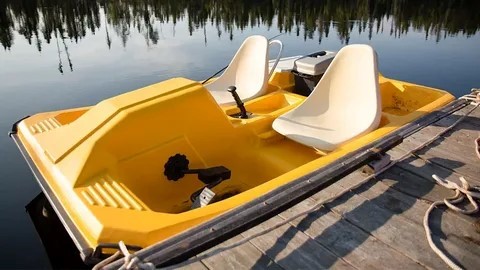
[vc_row][vc_column][vc_column_text css=""]Moving a pedal boat might look easy. But it can get damaged or become unsafe on the road if you don’t prepare for it properly.
In this guide, we will show you how to transport a pedal boat without worrying about it. We have been helping people with boat transport nationwide for over 8 years, so we know how to make your move simple.
Let’s go over the steps that you can follow to make the process easy.
A little preparation goes a long way before you start loading your pedal boat:
One of the first things you need to decide when moving your pedal boat is which equipment to use.
You need a trailer. This is usually the easiest option if your boat fits on a trailer you already have. Make sure the trailer can handle your boat’s weight and size.
A dolly or trolley can help you roll the boat into place for short moves, like from storage to a ramp. This is not meant for highway trips.
You may require a professional hauler or specialized transport. Hiring a boat transport company is a great choice if the trip is long or complicated. With so many years of knowledge and experience, Set Sail Boat Transport makes sure that your boat's move always remains reliable and secure.
This is the part where mistakes can happen. Let's take a look at how to transport a pedal boat using a trailer:
Securing your boat properly is very important. Here’s how we do it:
Run a checklist before the departure:
[/vc_column_text][vc_single_image image="1482" img_size="500x500" alignment="center" css=""][vc_column_text css=""]
Once on the road, how you drive tells as much as how you loaded:
When you arrive, take your time to unload the boat. Position the trailer near the water or unloading spot, and slide the boat off gently to avoid drops or snags. Once it’s off, check the hull and parts for any damage, and put back the seats, paddles, and other gear.
Learning how to transport a pedal boat safely means you should know each step, from prepping to unloading. You can keep your boat in great shape and enjoy a peaceful trip with the right gear, patience, and care. But it’s best to call in the professionals if you are in doubt.
Need help moving your pedal boat? Contact us at Set Sail Boat Transport, and we will show you how easy small boat transport can be. Get a quote today!
[/vc_column_text][/vc_column][/vc_row][vc_row][vc_column][vc_tta_accordion][vc_tta_section title="1. How to transport a pedal boat?" tab_id="1761943587137-13f70de8-a6d5"][vc_column_text css=""]To move your pedal boat, put it on a properly sized trailer or truck bed and secure it with padded straps. Remove loose items and drain water. Our expert team at Set Sail Boat Transport can do it safely for you.[/vc_column_text][/vc_tta_section][vc_tta_section title="2. Where should I attach tie-downs?" tab_id="1761943587149-0e81f191-4d34"][vc_column_text css=""]You can use strong points like the transom or other reinforced areas when securing pedals. Don’t rely on lightweight handles or seat edges.[/vc_column_text][/vc_tta_section][vc_tta_section title="3. Can I use rope instead of ratchet straps?" tab_id="1761943702339-047ace76-c6c7"][vc_column_text css=""]Using a rope isn’t the best idea. It can stretch, loosen, and won’t hold the right tension. We recommend using ratchet straps because they are safer and more reliable.[/vc_column_text][/vc_tta_section][vc_tta_section title="4. How fast can I tow a pedal boat?" tab_id="1761943724549-1f15b3a8-783c"][vc_column_text css=""]We usually suggest you drive below highway speeds, around 45‑55 mph, depending on conditions. Going slower helps reduce sway and gives you more control.[/vc_column_text][/vc_tta_section][vc_tta_section title="5. Can I load a pedal boat by myself?" tab_id="1761948041512-e2d90cdf-843d"][vc_column_text css=""]Yes, you can do it yourself if you have the right tools, like rollers, a winch, and some helpers. But for long trips or difficult setups, it’s best to let our experts show you how to transport a pedal boat safely and avoid mistakes.[/vc_column_text][/vc_tta_section][/vc_tta_accordion][/vc_column][/vc_row]