Close
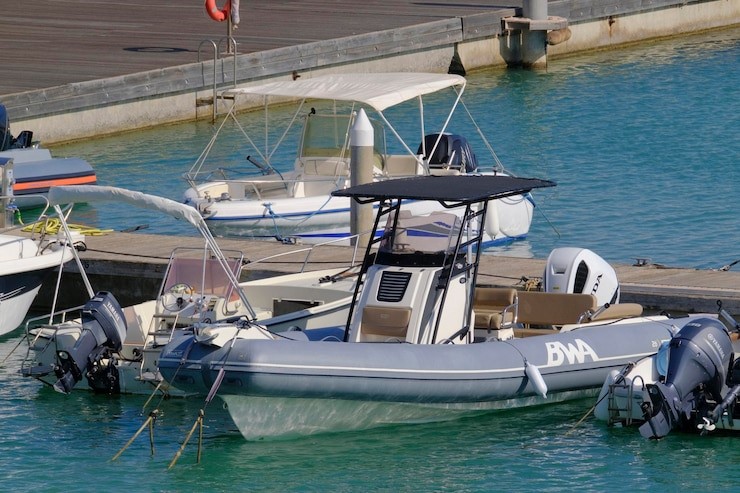
[vc_row][vc_column][vc_column_text css=""]Isn’t it exciting to plan a sailing trip to new oceans? Let us tell you that planning to ship your sailboat involves a logistical challenge. You might be wondering, “Will boat shipping be safe?” How much will it have to pay?" We get it. These are the kinds of questions any boat owner will think of.
This blog can help you gain clarity if you have these questions as well. Read out to make your sailboat shipping experience both safe and budget-friendly so that you can enjoy the future adventures without any worries.
You generally have two options when you plan to move your sailboat. These include:
It can be the most suitable option when you’re moving your sailboat across states. Many boatowners also choose overland transportation when they move their boat to inland marinas where water routes aren’t available.
Let’s say, you’re sending your boat from the U.S to the Caribbean or any other long-distance hauls. That’s when sea transportation can be a good choice. Although it’s comparatively expensive, many boat owners prefer this method for its convenience and safe handling over long routes.
Here’s a table to help you understand the main differences:
| Feature | Overland Transportation | Sea Transportation |
| Best for | Short-distance or cross-state moves. | Long-distance or international shipping. |
| Boat Type | Small boats, trailerable vessels, removable masts. | Large yachts or non-trailerable boats |
| Cost | Generally more affordable for short distances | Higher overall costs due to port fees and ocean freight |
At Set Sail Boat Transport, we use dedicated equipment to ensure your vessel returns to you in the best condition, either via overland or sea transportation. Let our sailboat transport services handle everything from loading to delivery, so you can relax knowing that your boat will be returned to you in the same condition.
Many boat owners overlook preparation, without thinking that it can become a major cause of accidents or mishandling during sailboat shipping. These won’t only damage your vessel but also lead to unexpected costs and safety hazards.
Before transporting your boat, here are the key steps to prepare it safely:
When you plan your boat transport, it’s wise to understand the hidden costs and find ways to save money. Here’s what you should keep in mind:
Your main quote might not include extra charges such as port fees, craning costs, fuel surcharges, or customs duties. Keep in mind that these can increase your final costs if you do not clarify whether they are included in your quote. So, it’s always better to ask for a complete cost breakdown before you confirm a booking to avoid hidden expenses.
DIY preparation seems easy, right? But you should remember that all the preparation methods require expertise and knowledge. Since professionals conduct each process safely and efficiently, they reduce the risks of costly damage during transport.
If your schedule allows flexibility, you can share container space or trailer capacity with other boats to reduce sailboat shipping costs. This option works best for non-urgent relocations, as grouped shipments may take a little longer to organize.
Scheduling your boat transport during off-peak seasons or being open to flexible pickup and delivery dates can help you avoid premium rates charged during busy periods. Planning earlier also gives you more transporter options and better overall deals.
Choosing a shorter or more direct route minimizes the risks of mishandling and saves on fuel. Before finalizing your booking, ask your transporter about alternative routes or port options that could save both time and money.
You should always confirm what type of insurance coverage is included in your quote and whether it fully protects your boat against damage or weather-related incidents during transit. It will help you understand if you need to purchase additional marine transport insurance.[/vc_column_text][vc_single_image image="1497" img_size="500x500" alignment="center" css=""][vc_column_text css=""]
[/vc_column_text][/vc_column][/vc_row][vc_row][vc_column][vc_tta_accordion][vc_tta_section title="1. Can I transport my 30-foot sailboat myself?" tab_id="1761943587137-13f70de8-a6d5"][vc_column_text css=""]Yes, you can. Make sure you know how to handle the trailer and equipment, and that you have the right permits and a suitable route. Alternatively, you can opt for our sailboat transport services to ensure your vessel’s safety.[/vc_column_text][/vc_tta_section][vc_tta_section title="2. What is the cheapest way to ship a boat?" tab_id="1761943587149-0e81f191-4d34"][vc_column_text css=""]You can save money on boat shipping by towing it yourself. But we recommend opting for professional help, especially if you have a large vessel, because professional haulers know expert techniques that prevent mishandling and accidents during transit.[/vc_column_text][/vc_tta_section][vc_tta_section title="3. How can I prepare my boat for shipping?" tab_id="1761943702339-047ace76-c6c7"][vc_column_text css=""]You can begin by removing personal items, cleaning the hull, and disconnecting the batteries. Never forget to secure loose gear and check for leaks or damage. All these steps will help you prevent mishaps and accidents during transit.[/vc_column_text][/vc_tta_section][vc_tta_section title="4. How much does it cost to ship a boat per mile?" tab_id="1761943724549-1f15b3a8-783c"][vc_column_text css=""]On average, the costs per mile range from $5.00 to $16.00. However, you might have to pay more, depending on the size of your boat, the pickup & drop-off locations, and if you need pilot cars or additional cargo.[/vc_column_text][/vc_tta_section][/vc_tta_accordion][/vc_column][/vc_row][vc_row][vc_column][vc_column_text css=""]
In our view, shipping your sailboat doesn’t have to be stressful. You just need to plan properly with the right expertise. At Set Sail Boat Transport, we’ve helped many boat owners move their valuable boats safely, both cross-state and internationally.
From route planning to careful boat handling, we turn complex boat shipping situations into hassle-free and seamless boat moving journeys. Contact us to get a personalized quote for your boat adventure.[/vc_column_text][/vc_column][/vc_row]