Close
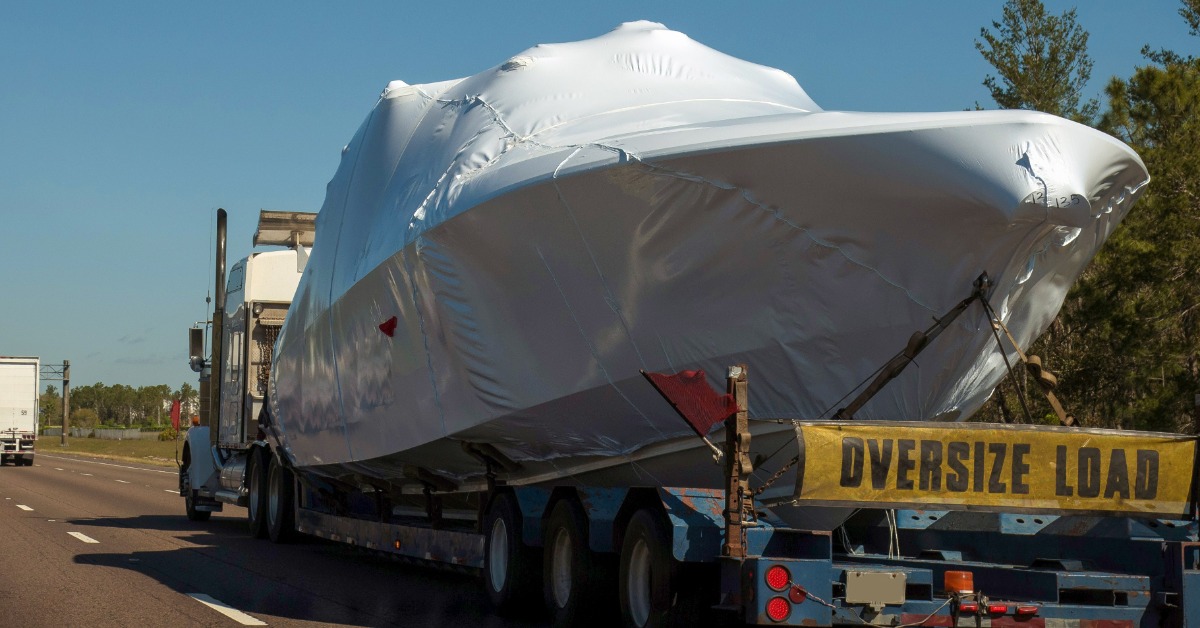
Moving a high-value yacht over land requires more than scheduling a truck and choosing a delivery date. Owners need a transport plan that protects the vessel from loading through arrival while keeping communication clear at every stage. Understanding how to safeguard your high-value yacht in transit helps you prepare the boat and understand the hauling process while reducing avoidable concerns before the trip begins. With careful preparation and an experienced transport team, you can approach a long-distance move with greater confidence.
Every yacht creates unique transport challenges. The yacht’s length, beam, height, weight, hull design, and installed equipment determine how the transport team loads and carries the vessel. The route also matters because the yacht’s loaded dimensions can influence permitting needs and the roads available for travel.
Share accurate vessel information with the transport company before accepting a quote or setting a pickup date. Provide current dimensions and explain any modifications that could change the yacht’s transport profile. Clear information gives the hauler a better foundation for planning the move and helps prevent surprises when the truck reaches the marina.
Ask what equipment the carrier will use for your vessel. A high-value yacht needs equipment suited to its size and configuration rather than a generic approach. Set Sail Boat Transport uses its own semi-truck and specialized trailer for yacht moves instead of relying on a customer’s trailer.
Knowing the hauling setup also helps you understand what must happen at pickup. The transport team can coordinate loading at the marina and position the yacht on the trailer for the road trip. Discussing this process in advance gives the owner and marina staff time to prepare for the carrier’s arrival.
Good protection begins before the yacht touches the trailer. Walk through the vessel carefully and identify anything that could loosen, shift, or catch wind during highway travel. Items that stay secure on the water may react differently when the yacht travels at road speeds for hundreds of miles.
Follow the transporter’s preparation instructions closely. Ask which exterior components need removal or special attention before loading. Inside the yacht, secure movable belongings and close cabinets or doors that could open during movement. Preparation should match the vessel rather than follow assumptions based on another boat. That preparation matters even more when the vessel represents a personal investment.
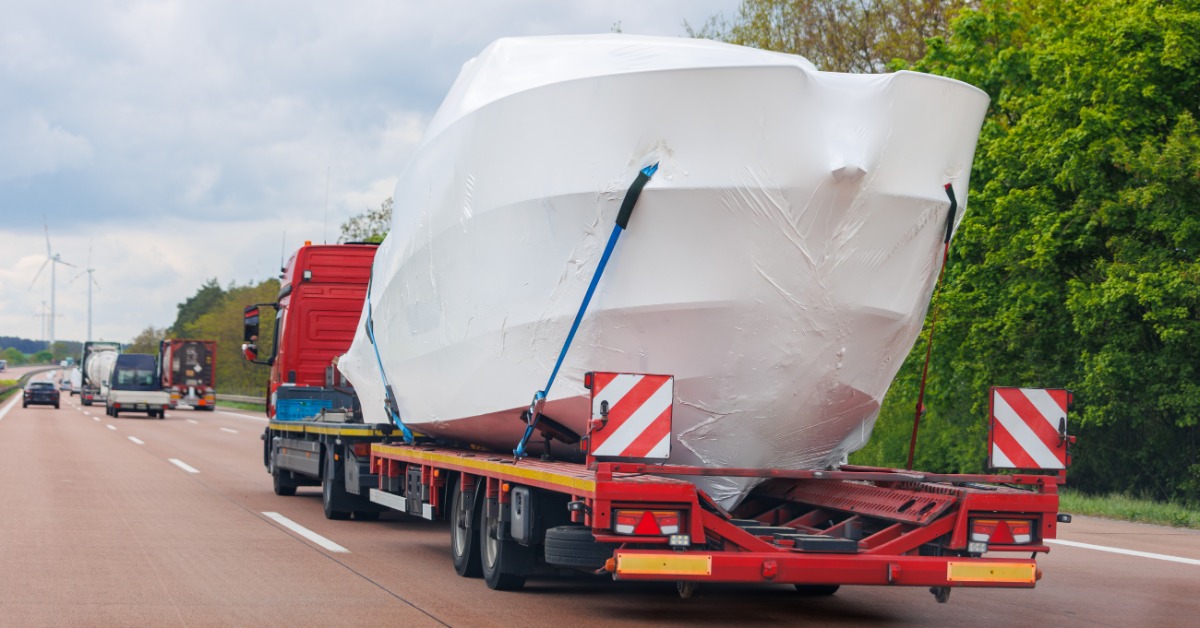
Create a clear record of the yacht before pickup. Photograph the hull, deck, windows, hardware, and other visible areas from multiple angles. Capture close views of existing marks as well as wider images that show the overall condition.
Keep the photos organized and dated so you can refer to them later. A simple condition record gives you a useful reference at delivery and encourages a careful inspection before the yacht leaves the marina. You can also note any delicate areas that deserve special attention during loading.
Insurance deserves a direct conversation when a valuable yacht will travel over land. Do not assume every transport arrangement provides the same protection. Ask the carrier to explain its coverage and request the documentation you need to review before agreeing to the move.
You should also understand your own yacht insurance and whether it addresses overland transportation. If anything seems unclear, contact your insurance provider for guidance about your policy. Confirming coverage before pickup prevents you from trying to sort through important questions after the yacht is already on the road.
A yacht loaded on a trailer can become a very tall combination. The total transport height may affect permits and route planning, which makes accurate measurements especially important. Bridges, overhead obstacles, and road restrictions can influence how the carrier gets from the marina to the destination.
Avoid making last-minute changes to the yacht that alter its dimensions without telling the transporter. If you plan to remove equipment before loading, confirm who will handle the work and set a deadline for completion. Good coordination helps the transport team plan around the yacht’s actual road-ready configuration.
The marina plays an important role in a smooth departure. Confirm access arrangements and make sure the facility knows when the transporter expects to arrive. Ask about any marina procedures that could affect loading so the carrier is not waiting for information on pickup day.
The yacht should also be ready when the transport equipment arrives. Delays can complicate scheduling, especially when a move involves permits or a planned route. Early coordination between the owner, marina, and transport company keeps everyone working from the same expectations without creating unnecessary confusion.
A yacht owner should not have to wonder what is happening after the vessel leaves the marina. Before pickup, ask how the company communicates during transport and who will be your point of contact. Set clear expectations with the transport company about when and how they will provide updates during the trip.
Set Sail Boat Transport emphasizes constant communication as part of its service. Owners often value that approach during a long-distance move because they may spend several days away from their yacht. Clear updates help you stay informed without needing to chase down basic information.
Protection does not end when the truck reaches its destination. Confirm that the receiving marina or facility can accommodate the transport equipment and is prepared for unloading. Share the expected arrival details with the appropriate contact before the yacht gets there.
After unloading, inspect the yacht using your pre-transport condition record as a reference. Take your time and look over the areas you documented before departure. If you have questions about the delivery process, address them promptly with the transport company while the details of the move remain fresh.
Learning how to safeguard your high-value yacht in transit comes down to thoughtful preparation and clear coordination with the people handling the move. Accurate vessel information, appropriate hauling equipment, careful preparation, insurance questions, and consistent communication all support a more controlled transport experience.
Set Sail Boat Transport moves yachts throughout the lower 48 states using our own semi-truck and specialized trailer, with a focus on transparent pricing and exceptional care. We also offer sailboat hauling for owners who need professional ground transportation for a sailboat, whether the vessel needs to reach a new home after a relocation or ownership change. Request a quote to learn more about our available services.