Close
Having a boat is a lot of fun, but it also comes with responsibility. Out on the water, things don’t always go as planned. Bad weather, accidents, or sudden repairs can happen when you least expect them. And without insurance, those costs can add up quickly. That’s why so many boat owners wonder, “What does boat insurance cover?”
Boat insurance is designed to give you peace of mind by protecting you, your passengers, and your vessel when the unexpected happens. Here we will explain to you what’s typically covered, what isn’t, and how to make sure your boat is properly protected.
Keep in mind that boat insurance is not like car insurance, as it gives you financial protection when things go wrong. Here are the main areas most policies cover:
If your boat is damaged in an accident, fire, storm, or even stolen, your insurance helps cover repairs. This type of physical damage protection is one of the most important parts of any policy.
If you’re at fault for an accident, liability insurance protects you. It covers property damage and injuries to other people. Most policies also include medical payments coverage to help with hospital bills if someone gets hurt.
Many policies cover belongings you keep on your boat, like safety gear, fishing equipment, or electronics. These fall under personal property protection.
If your boat is destroyed, your insurance can help with a total loss claim. Some policies pay you the actual cash value, while others offer replacement cost, which enables you to buy a new boat of similar quality.
Not everyone on the water carries insurance. If someone without enough coverage hits you, underinsured boater coverage helps with medical bills and damage to your boat.
Even though boat insurance coverages are broad, there are limits. Policies usually don’t cover:
Knowing the answer to “What does boat insurance cover?” is only the start. To get full protection, you’ll need to take some extra steps.
Every policy has coverage limits, which are the maximum amounts your insurer will pay. If the limit is too low, you may end up paying out of pocket. Choose limits that match the value of your boat and the risks you face.
Costs to move a boat usually range between $5.00 and $16.00 per mile, depending on size, route, and whether special vehicles like pilot cars or bucket trucks are needed. At Set Sail Boat Transport, we can help you arrange the right insurance before moving your vessel.
Transport companies work hard to deliver on time, but sometimes delays happen. Bad weather, permit problems, or road construction can cause route changes. Keep this in mind when planning, and make sure your policy is ready to cover unexpected situations.
Accidents on the water can lead to hospital visits. Having medical payments coverage in your policy makes sure those costs don’t fall entirely on you.
As you upgrade your boat or buy new equipment, check your policy. This way, your coverage always matches your needs.
Standard insurance may not cover every risk while your boat is being moved. That’s why additional cargo insurance is important. This kind of boat insurance coverages helps with transit-related issues like damage to your boat on the road.
Yes, most policies include personal property protection for items like fishing gear and electronics. Just make sure you check the coverage limits in your plan.
That’s when underinsured boater coverage helps. It ensures coverage can help pay for injuries and repairs, giving you peace of mind if the other person can’t cover the costs.
Yes. If your boat is destroyed, policies usually pay either the actual cash value or the replacement cost. Choosing replacement cost makes it easier to repair or replace your vessel without losing money.
So, what does boat insurance cover? In short, it protects your boat, your passengers, and your finances from unexpected accidents, weather damage, theft, or liability claims. Yes, it won’t cover everything, like wear and tear or cleaning after transport. But it can give you strong protection where you need it most.
Our boat transport company can also help you understand your insurance options before a move. By choosing the right boat insurance coverages, reviewing your policy often, and planning for transportation risks, you’ll be better prepared for anything that comes your way.
If you own a trailer, it can make boat moves more convenient for you. But it also brings up an important question that do you have to insure a trailer? The answer isn’t always simple because it depends on your state’s laws, the type of trailer you own, and how you use it. Even when insurance isn’t required, it still gives you valuable protection by keeping you covered against theft, accidents, and unexpected damage.
Here, we’ll cover the insurance requirements you need to know, the available coverage options, and how insurance can protect your trailer in transit or storage.
The first thing trailer owners should understand is that most states don’t require a separate policy for smaller personal-use trailers like utility trailers. Typically, these units are covered under your auto insurance policy when attached to your tow vehicle.
That said, there are situations where a dedicated trailer insurance coverage policy becomes essential:
Checking both your car insurance and state regulations ensures you avoid costly coverage gaps. If you’ve ever asked yourself, “Do you have to insure a trailer?”, the answer becomes clear that it depends on how large your trailer is, how you use it, and how much it costs.
Just like cars, you can insure your trailer under several different policy types. Understanding these helps you choose the right protection.
Covers you if your trailer causes injury or property damage. For instance, if it detaches and collides with another vehicle, liability coverage prevents you from paying out of pocket.
These options cover damage to the trailer itself. It pays for losses due to theft or fire, while collision applies if the trailer overturns or collides with another object.
If your trailer carries valuables, such as boats or household goods, cargo coverage ensures the items are protected in case your boat gets damaged.
Because a travel trailer doubles as a temporary living space, coverage often resembles homeowners’ insurance. It can protect belongings, personal liability, and even damage from natural disasters. This is why it’s better for you to choose our boat transportation services so that we can make sure everything goes well during the transit and your boat remains safe.
If another driver without proper insurance damages your trailer, this coverage fills the gap.
| Coverage Type | Best For |
| Liability Coverage | Anyone planning to tow a trailer on public roads who wants basic protection against accidents. |
| Comprehensive & Collision Coverage | Trailer owners who want full protection from accidents, theft, fire, or vandalism. |
| Cargo & Contents Protection | People hauling boats, equipment, or valuable personal belongings. |
| Specialized Travel Trailer Coverage | RV and travel trailer owners who use their trailers as a temporary living space. |
| Uninsured/Underinsured Motorist Coverage | Owners worried about accidents caused by drivers without enough insurance. |
Transporting a trailer over long distances exposes it to unique risks. While professional haulers strive to deliver on schedule, delays in your transportation journey can happen due to weather, permits, or construction-related route changes.
Here’s why insurance matters during transit:
It can cover the repair costs if your trailer sustains damage on the road.
From hail to high winds, comprehensive coverage can reduce financial loss.
Essential when transporting boats, since moving costs can range from $5.00 to $16.00 per mile. Factors like pilot cars, bucket trucks, or police escorts may also be required.
If you leave your trailer in the driveway, backyard, or even a storage facility, it can become an easy target. Thieves can hitch it up and be gone in minutes. With insurance, you won’t be left covering the loss on your own.
Imagine discovering your trailer damaged by fire, broken into, or vandalized. These situations can be bothersome and expensive, but your insurance policy helps take that financial weight off your shoulders.
Storms, hail, or falling branches can strike without warning. With the right coverage, you’re prepared for these unexpected events.
Often, your car insurance extends liability coverage to your trailer while it’s attached to your tow vehicle. However, for enclosed trailers or travel trailers, a separate trailer insurance coverage policy may be necessary.
Larger trailers such as RVs, boat trailers, or commercial units typically need comprehensive policies. These not only cover damage to the trailer but also protect the cargo and offer broader liability coverage.
Yes. Comprehensive policies protect against theft, vandalism, and other damage to the trailer even when it’s not being used. For long-term storage, this protection is highly recommended for trailer owners.
If you’re thinking about do you have to insure a trailer, keep in mind that you may not always require insurance. But it’s often the smartest move for protecting your trailer. From long-distance transport to months in storage, unexpected events like theft, weather, or accidents can result in high costs. The right policy ensures your investment is covered, giving you peace of mind every step of the way.
At Set Sail Boat Transport, we treat your trailer and vessel as valuable assets. While we strive to deliver on time, factors like permits, weather, or road closures can sometimes cause unavoidable delays. Having proper insurance ensures you’re protected no matter the situation.
Owning a sailboat comes with unforgettable adventures, but it also means planning for its safe transport. Whether you’re moving your boat to a new marina, across the country, or preparing for seasonal storage, one question that often comes to your mind is, How much does it cost to transport a sailboat?
The answer depends on several factors, from the size of your vessel to the distance of the move. In this guide, we’ll break down the average prices for 2025, the main factors that influence transport costs, and practical tips to save money on shipping.
In 2025, the average cost to move a sailboat ranges between $5.00 and $16.00 per mile, depending on the vessel’s size, the route, and additional services required.
This means a short 100-mile transport could cost between $500 and $1,600, while a long-distance move of 1,000 miles could range from $5,000 to $16,000.
While we always strive to deliver on schedule, it’s important to remember that some factors, such as weather, permit delays, or sudden route changes due to construction, can sometimes affect timelines.
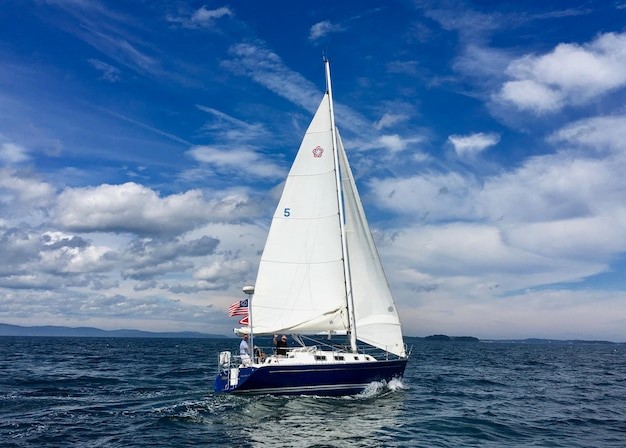
The final boat transport cost depends on more than just mileage. Here are the key factors that play a role:
The larger and taller the boat, the more complex the job. Oversized vessels often require escorts, bucket trucks, or extra permits to clear bridges, tunnels, and road restrictions.
While long distance moves increase the overall price, the per-mile rate is usually lower compared to shorter trips. For example, a 200-mile transport may average $10 per mile, while a 1,000-mile trip may drop closer to $6 per mile.
Depending on your marina or storage location, cranes or specialized equipment may be needed for safe loading and unloading. These services can add anywhere from $500 to $2,000 to the total.
Preparation is key when transporting a sailboat. Costs may include mast removal, shrink wrapping for weather protection, and securing loose items. Each service comes with additional transport expenses, but they help prevent damage during the move.
Spring and early summer are peak seasons for boat shipping. High demand can push rates upward, so scheduling during the off-season may lower your transport costs.
Large boats may require special highway permits or escorts, especially if they exceed state or federal road limits. These requirements directly affect shipping costs.
At Set Sail Boat Transport, we manage these details for you, ensuring compliance and minimizing risks during transport.
⛵ Need Expert Sailboat Transport?
Get a fast, free quote from trusted sailboat transport pros: safe, simple, and stress-free!
While boat transportation can be a significant investment, there are several ways you can save without compromising safety:
Booking early gives you more flexibility with scheduling and may help avoid peak-season surcharges.
If you’re comfortable, removing the mast, securing rigging, and handling shrink wrapping yourself can cut down on preparation fees.
Allowing a wider delivery window can reduce transport expenses, as carriers can coordinate more efficiently with other shipments.
Prices vary between providers. Getting several estimates ensures you’re paying a fair boat transport cost while also evaluating the company’s reputation.
Choosing experienced providers reduces risks of damage, delays, or hidden fees. We have years of experience handling everything from small coastal moves to complex long-distance routes, saving you time and stress.
Most quotes include mileage, permits, and standard handling. Extra fees may apply for shrink wrapping, mast removal, or cranes used for loading and unloading. Always ask for a detailed breakdown to understand the full transport expenses.
Yes, overland boat transportation is often safer for long-distance moves, especially when weather or rough seas pose risks. Overland routes also tend to be more predictable in terms of timing and shipping costs.
Yes. Demand for transporting a sailboat is lower in late fall and winter, which often leads to more competitive pricing. Carriers may also have greater availability, helping reduce shipping costs.
So, how much does it cost to transport a sailboat? In 2025, most owners can expect to pay between $5.00 and $16.00 per mile, depending on the size of the boat, distance, and preparation needs. Small boats are generally more affordable, while larger vessels with complex requirements can reach the higher end of the range.
At Set Sail Boat Transport, we handle the details that matter most, from permits and preparation to secure delivery, so you can focus on enjoying your sailboat once it arrives. Whether it’s a short move or a long-distance haul, we’re here to make the process smooth, safe, and reliable.
Are you worried about transporting your boat lift safely? It's true that every boat owner would want to make sure that their boat remains safe and in good condition throughout the journey. Seems like an overwhelming task, right? Believe us, it's not that difficult with the right planning. When you take careful steps, you can make the process smooth and stress-free.
It doesn't matter if you're planning a short trip to a neighboring state or preparing your boat for a longer move across the world. Having the right approach can help you make sure that your boat remains smooth and safe.
This step-wise guide can help you learn everything about how to transport a boat lift for a safe and successful move.
Keep in mind that preparation is necessary for a perfect journey. So, it’s advisable to thoroughly inspect your boat lift and check if there are any signs of damage. It's important to understand that these issues can become major problems during your transit. It saves you from unexpected headaches in the future.
Disassembly and Documentation
It’s essential to handle the disassembly process carefully if your boat requires disassembling for transport. Don’t forget to make a short list of all the parts you remove. You can also take photos at each stage of the disassembly.
If you haven’t moved a boat lift before, this will help you during reassembly at your destination. Always remember to store all the removed components in clearly labeled bags or containers. This way, it would be easy to find all the small parts.
Using a Wheel Kit
If your boat lift has a wheel kit, you should make sure that it’s properly attached and is working properly before you begin loading. A wheel kit can help you move your lift across uneven or narrow routes.
The next step after disassembly is organizing all the parts carefully. You can store the smaller items to prevent them from mishaps. It's better to protect the larger sections with padding or shrink wrap to prevent scratches during transport.
Even with careful preparation, your boat lift can get dirty because of road debris or bad weather conditions. Therefore, you should schedule cleaning at the receiving marina once your lift has been delivered. Keep in mind that almost all boat transportation companies do not include boat cleaning in their boat transport services.
You can consider loading as one of the most important stages of how to transport a boat lift correctly. Keep in mind that you may require specialized equipment, including cranes or forklifts. But these will depend on the size and weight of your boat. Make sure that everything is secured using heavy-duty straps.
Other than that, you may require additional safety measures for oversized lifts. These mainly include pilot cars or police escorts. All this equipment is necessary to keep your lift safe and help you rest assured that your boat lift will be transported in compliance with all standard regulations.
The cost of boat transport services varies based on these requirements. For example, the price per mile can range from $5.00 to $16.00. But it may fluctuate depending on the distance and size of the lift. You may have to pay extra if you need escorts or additional equipment.
Oversized loads such as large boat lifts often require state-issued permits before transport can begin. Never forget that standard regulations vary from state to state. So, it’s better to stay in touch with your transport provider to apply for permits in advance.
Route planning is equally important as other steps. You’ll need to avoid roads with low bridges, tight turns, or construction zones. Yes, transport companies map out the best available route.
However, you should still be prepared for the delays if sudden closures or weather can have an impact on how long your nationwide boat transportation journey or other transits will take. It can help you set realistic expectations for delivery time.
You can take the boat lift on the road once you secure everything and gather your permits. When you choose Set Sail Boat Transport, our professional drivers will begin the journey and check the load from time to time to ensure it remains stable.
When you're learning about how to transport a boat lift, keep in mind that road conditions and weather can affect the arrival time of your lift, especially during long-distance travel. It’s normal for equipment to gather dirt along the way, which is why we advise arranging a cleaning at your destination marina.
The experts unload the lift with the same care as the time of loading, and carry out the process with proper planning and handling. So, you can stay relaxed knowing that your boat lift is in good condition and ready for reassembly.
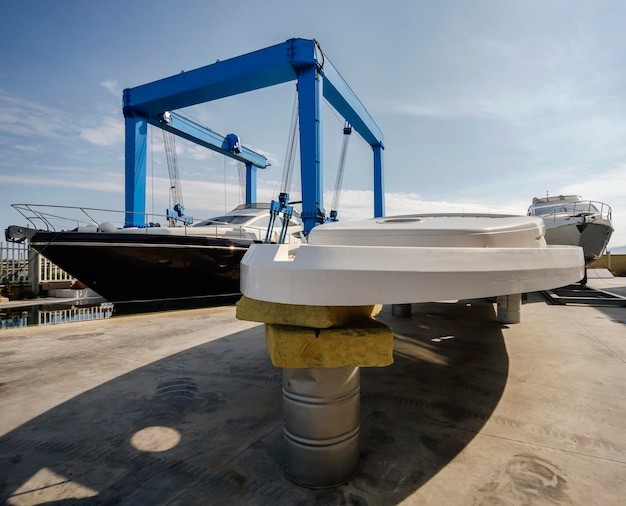
Are you unable to find an expert transporter to relocate your boat lift? At Set Sail Boat Transport, we specialize in boat transportation with expert care. It does not matter if you want to move your boat within neighboring states or different parts of the world.
You can learn how to transport a boat lift and protect your investment with our expert guidance. Our team will follow every step with extra care so that your lift returns in good condition. Contact us today and let our team keep your lift safe during the journey.
Transporting a 40-foot boat is no small task, but it’s a project that requires careful thought, planning, and the right team by your side. At this size, your vessel is considered oversized, which means it requires specialized handling, planning, and professional expertise. Since your boat isn’t just another piece of cargo, you’ll have to transport it carefully to protect your valuable investment from all kinds of mishaps.
You’re not alone if you're wondering how to transport a 40-foot boat safely. Many boat owners share the same concern when it comes time to relocate their vessel, whether it’s across the state, across the country, or even just a few hours away. When you combine careful planning with expert guidance, moving your boat will be a secure and streamlined process that can save you time and reduce your stress.
The process begins with precise measurements. When considering how to transport a 40-foot boat, you’ll realize that even a few extra inches in beam or height can make a significant difference between a straightforward move and one that requires additional permits or equipment. Measure the length from bow to stern, the beam at its widest point, and the full height including arches, antennas, or other structures. Don’t forget the weight, as this affects trailer selection and load distribution.
We always recommend double-checking these numbers before you finalize everything for shipping a boat. Accurate dimensions not only prevent delays but also save you from unexpected costs when your boat is already in transit.
Because your boat is considered an oversized load, permits are essential. These are issued on a state-by-state basis, and requirements can vary widely. Depending on your route, your transport may also need pilot cars to guide the driver, bucket trucks to lift overhead wires, or even police escorts in certain areas.
This is where professional expertise makes all the difference. We handle large boat transportation for you, ensuring every permit is secured in advance and that support vehicles are available when needed. It’s one less thing for you to worry about, and it helps guarantee compliance with local regulations.
Your preparation plays a huge role in a successful move. Think of it as setting your boat up for a safe road trip. Before shipping a boat, be sure to prepare your boat by draining the tanks and removing any personal belongings. You should also remember that you’ll have to manage the cleaning of your boat yourself, as most boat transport service providers don’t provide cleaning services.
Before transport day, be sure to:
During long-distance moves, your boat can get dirty due to road dust, rain, and other weather conditions. That’s why we suggest scheduling a wash or detail at the destination marina, because it’s the ideal way to give your boat a refreshed look and get it ready for your next adventures.
⚓ Ready for Easy Boat Transport?
Get your free quote now and enjoy stress-free, secure boat moving services!
Selecting the right type of carrier is just as important as choosing how to transport a 40-foot boat. A 40-foot vessel requires more than a standard trailer. Specialized hydraulic trailers or flatbeds designed for transporting oversized loads are the safest options. Beyond equipment, you want experience on your side. Our team has hands-on experience in transporting many boats of all shapes and sizes. Set Sail Boat Transport can handle everything from loading and securing to delivering your vessel safely and efficiently.
Insurance is another consideration. Most companies offer standard cargo coverage, but opting for additional insurance can provide you with peace of mind. It’s a small investment compared to the value of your boat, and it ensures your vessel is fully protected against unexpected situations.
You should also think about the logistics at both ends of the journey. Keep in mind that not every marina is equipped to handle oversized deliveries, and overlooking this detail can lead to avoidable issues. Factors such as wide access roads for transport trucks, crane availability for lifting, and open dock space can significantly impact how smoothly your boat is loaded and unloaded.
We work closely with marinas and facility managers ahead of time to confirm schedules, verify that the right equipment is in place, and coordinate every step. By planning these details in advance, you can minimize last-minute surprises, reduce the risk of costly delays, and ensure your boat arrives ready to hit the water again.
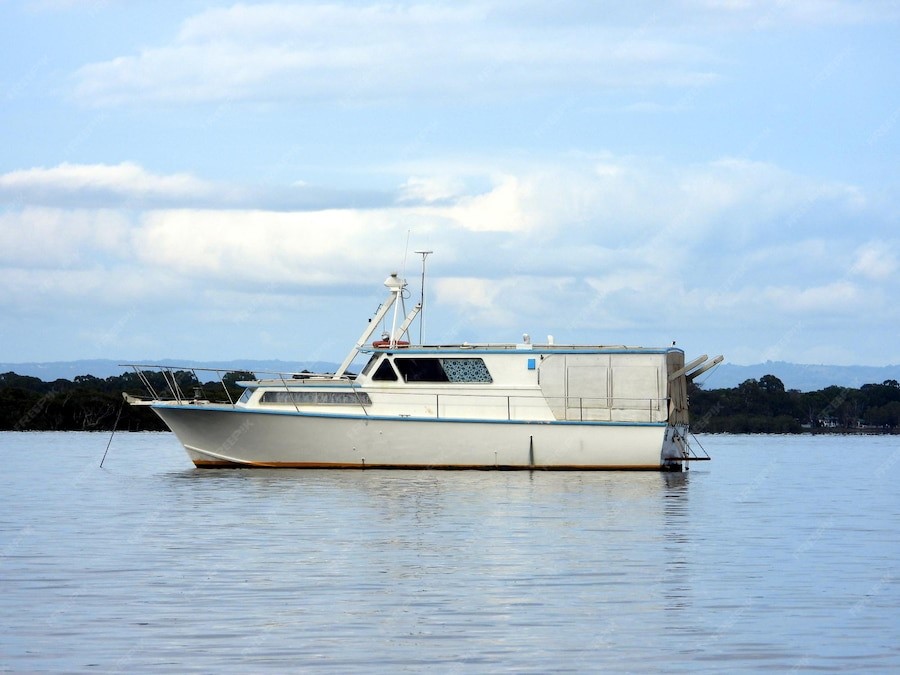
Yes. If you own a 40-foot vessel, you may require specialized trailers, permits, and support vehicles. Additionally, attempting to transport it yourself is unsafe and impractical.
Follow the preparation checklist, confirm your insurance, and work with experienced professionals who are familiar with handling oversized loads.
There are several factors that can influence transport schedules, including weather delays, permit approvals, traffic restrictions, and marina availability. Remember that most of these factors are natural and may be beyond your control.
Yes. You should remove personal items, secure loose equipment, and drain fuel and water tanks. Proper preparation will not only keep your vessel safe but also ensure compliance with transport regulations.
Knowing how to transport a 40-foot boat safely comes down to preparation, planning, and partnering with the right experts. We specialize in moving oversized vessels like yours with care, precision, and efficiency. From accurate measurements and permit handling to coordinating logistics and ensuring safe delivery, our team takes the stress out of the process so you can focus on enjoying your boat where it matters most.
Ready to move your vessel? Contact Set Sail Boat Transport today to get a free quote and let us deliver your boat safely, on time, and hassle-free.
When planning to transport your boat, one of the first questions that comes to mind is: how much does a boat trailer weigh? Knowing the trailer weight is crucial for safe towing, vehicle compatibility, and planning the journey. The weight of the trailer affects not only how you tow it but also the safety of your cargo and others on the road. Whether you are hauling a small fishing boat or a larger sailboat, understanding the weight of the trailer is the first step toward safe and efficient transport.
Transportation companies strive to deliver boats on time, but certain circumstances, like weather delays, permit issues, or route changes due to construction and accidents, can affect your schedule. Additionally, boat cleaning services are not included in transport; scheduling a cleaning at the receiving marina is recommended since boats often get dirty during cross-country transport due to rain, dust, and road conditions.
There are several factors on which weight of a boat trailer depends, including its size, material, axle configuration, and the boat it carries. On average, boat trailers weigh between 200 lbs for small, lightweight models and up to 1,600 lbs for larger, tandem-axle trailers. For safe towing, it is critical to know your trailer’s weight and ensure your vehicle can handle the total weight of both the boat and trailer.
A smaller single axle trailer designed for boats under 20 feet may weigh around 600 lbs, while a tandem or triple axle trailer for larger boats can exceed 1,500 lbs. These numbers are essential when calculating the maximum weight your towing vehicle can safely handle.
Understanding average trailer weights when you invest in boat transportation services can help you plan for safe towing and avoid overloading vehicles. Here is a general breakdown:
It’s important to remember that these weights are just the trailer itself. The weight of the boat and any equipment or fuel adds significantly to the total weight. For example, a 22-foot boat on a tandem-axle trailer may reach a combined weight of over 4,000 lbs.
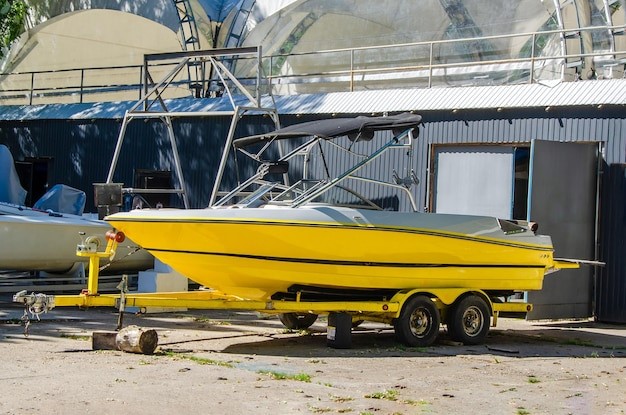
Several factors determine how much a boat trailer weighs and how it should be towed safely:
Need Reliable Boat Trailer Transport?
Request your free quote today and get your trailer moved safely and affordably!
Knowing how much does a boat trailer weigh is just the first step. Here are some safe towing practices from our team at Set Sail Boat Transport:
Knowing how much does a boat trailer weigh and understanding average weight ranges are essential for safe towing. Proper preparation, including checking vehicle capacity, securing your boat, and accounting for possible delays, ensures a smooth and safe journey. Always schedule cleaning at the receiving marina, as long-distance transport exposes your boat to dust, rain, and debris.
Whether towing a small fishing boat or transporting a large sailboat, these tips will help you enjoy a safe and worry-free journey on the road.
If you’re planning to transport your boat soon, consult with Set Sail Boat Transport to determine the right trailer, route, and safety measures for your journey. Safe towing starts with the right preparation!
Buying a boat is more than exciting, but moving your valuable vessel to a new location can be challenging. You may ask yourself, “How much does it cost to ship a boat?” The simple answer is that it depends on multiple factors. These mainly include the distance you’re traveling, the size of your vessel, and the type of transport you will require.
When you know your boat transport costs ahead of time, you can plan more effectively, avoid overspending within your budget, and stay protected from last-minute surprises.
Here, we have outlined everything you need to know, from factors that affect pricing to preparing your boat for shipment and what you can expect during the process.
The cost of transportation for boats typically ranges between $5.00 and $16.00 per mile. You should always keep in mind that costs per mile can fluctuate due to the following reasons:
If your vessel is larger or oversized, you may require oversized permits, special equipment, or even pilot cars.
If your boat needs to be picked up from a remote area or a hard-to-reach route, you may have to pay extra costs.
Most carriers include standard protection, but adding extra coverage can save you from stressful circumstances when something unexpected happens.
It’s better to request multiple quotes from different transporters when you’re estimating the costs. This way, you can compare services and find the most budget-efficient option that fits your requirements and budget.
Want the Best Price on Boat Shipping? 🚢
Get your free quote now and see how easy and affordable moving your boat can be!
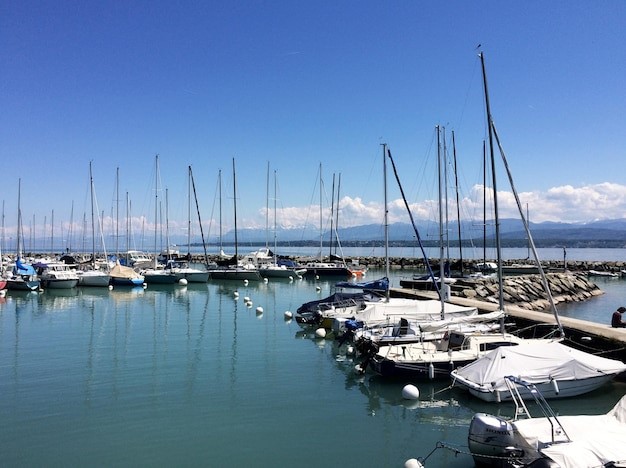
It’s a fact that the longer your transportation journey, the higher the cost you’ll have to pay. Remember that cross-country boat shipments are not just about the miles. You may have a higher risk of facing bad weather, heavy traffic, and rough road conditions. In some cases, detours due to ongoing construction, accidents, or height restrictions can lead to increased travel time and overall expenses.
Factors like length, beam, and height of your boat are crucial in determining the total boat transport costs. Oversized boats may need experience boat transport service providers that use hydraulic trailers and additional support vehicles. When calculating how much does it cost to ship a boat, keep in mind that you may have to pay extra if your boat is oversized and requires permits and escort vehicles.
Summer and spring are peak times for shipping companies as boat owners prepare for the water season. Scheduling your transport in the off-season may save you money and secure better availability.
In most cases, companies provide standard protection, but you should consider additional insurance coverage for sailboats or yacht transport services. It will keep your vessel safe in case of unexpected delays or damage during transit.
For most moves within the states, overland transport is the most common mode of transportation. Well-skilled boat haulers usually use hydraulic trailers to handle boats of varying sizes. The cost per mile typically ranges from $5 to $16, but remember that it depends entirely on your boat’s dimensions and route requirements.
Keep in mind that the costs can increase when you plan to ship a boat overseas. These expenses mainly include cradling, port fees, customs clearance, and international shipping charges for the boat. Receiving multiple quotes can help you choose the most reliable service according to your specific needs.
For smaller boats, a towable trailer may be the most cost-effective option. However, ensure the boat shipping company meets DOT regulations and carries proper insurance.
You should consider these factors as your checklist to hire the best transport company. It can help you compare boat shipping quotes:
When you trust our boat transport company to move your boat, we will explain the entire process to you, answer your questions so that you can stay assured that your valuable vessel is safe throughout the journey.
On average, moving your boat can cost between $5 and $16 per mile. Factors such as boat size, route, and the need for escorts can affect the final pricing.
Yes, professional boat hauling can be a cost-saving option for long-distance moves compared to DIY transport. You’ll learn about this when you consider the permits, fuel, and trailer costs.
Most boat shipping companies offer basic liability protection. For high-value vessels, purchasing additional insurance coverage can ensure safety during transport.
Yes, transporting the boat yourself is possible, but only if it’s small enough to fit on a trailer and you’re prepared to manage the permits and logistics on your own. But it’s always better to contact licensed boat haulers for safe transport, especially when you own a larger vessel.
When you find your answer to how much does it cost to ship a boat, you should keep in mind that the actual cost can vary based on size, distance, and logistics. But you can plan a realistic budget if you understand these factors. From obtaining multiple quotes to choosing a trusted boat transport company, the key is planning and ensuring your vessel is well-prepared for the journey.
At Set Sail Boat Transport, we can make the process stress-free for you and keep you updated every step of the way. Contact us today and let our team of experts take care of your next move.
Boating brings joy, freedom, and connection with nature, but it also comes with risks that can’t be ignored. Many first-time and even experienced boaters often ask, which is the major cause of fatalities involving small boats? The answer is consistent across safety reports: the leading cause is falls overboard, usually resulting in drowning.
At first glance, falling into the water might not seem life-threatening. However, several factors make it one of the most dangerous situations for small boat passengers:
Without proper flotation, staying above water for long is nearly impossible.
Small boats are prone to boats capsizing when the balance shifts or waves hit unexpectedly.
Wind, rain, and strong currents can quickly overwhelm even skilled swimmers.
Sudden immersion can impair breathing and muscle function, reducing survival chances.
Passengers who fall overboard often panic, which drains energy and leads to drowning faster.
This is why fatalities involving small boats are consistently linked to passengers being ejected into the water without proper protection. Instead of reaction, prevention is usually the most reliable solution in most cases.
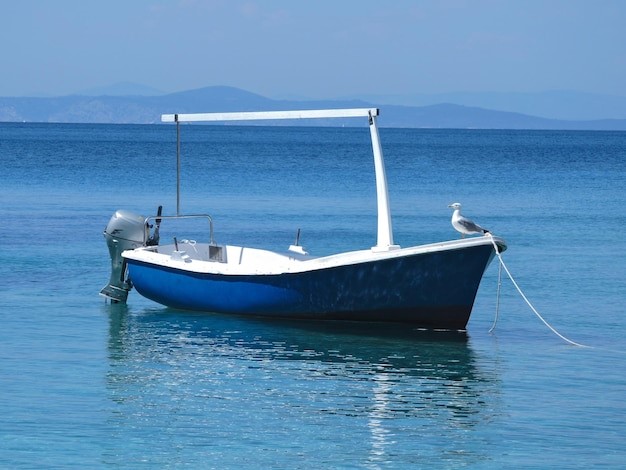
Learning about which is the major cause of fatalities involving small boats is only the beginning. Your next step should be to understand how you can avoid it. Below are expert-backed guidelines every boater should follow to stay safe on the water.
A life jacket can be the most effective way to prevent falls overboard from turning into fatal accidents. Even strong swimmers can struggle in emergencies due to cold water shock, waves, or exhaustion.
A life jacket keeps you on the surface of the water. This is extremely important, as it will give rescuers extra time to help you. It can increase your chance of survival. Make sure to check your life jacket regularly for wear and tear and ensure it is appropriate for your size and weight.
Sudden weather changes can hit small boats hard, which can make even a short trip risky. You should always check reliable weather forecasts for wind, rain, storms, or other warnings before heading out. Also, keep an eye on the sky and be alert for darkening clouds, gusting winds, or weather changes.
You should immediately return to shore if the weather conditions get worse. Being proactive about the weather will help prevent boats capsizing and other accidents. It can also help you enjoy your boating trip without unexpected danger.
Keep in mind that improper weight distribution can be a major reason for boats capsizing, especially in small vessels. To prevent this, always spread passengers and gear evenly across the ship and make sure heavier items are stored low and near the center.
Additionally, you should also avoid standing up suddenly, leaning too far over the sides, or crowding one area, as these actions can easily tip the boat. Understanding the impact of weight and movement can help you reduce the chances of accidents.
This is just as important when you’re transporting your boat. It is because the shifts in cargo or passengers during loading or unloading can affect stability. Proper balance can ensure a safer ride both on the water and while paying for a trusted small boat transportation service. If you haven’t found a reliable boat transporter, our team at Set Sail Boat Transport can help.
Operating your boat or even being a passenger while intoxicated can increase the risk of falls overboard and accidents. Remember that drinking can also slow your response to weather conditions or obstacles, which can be the major cause of fatalities involving small boats.
Treat boating as seriously as driving and stay sober to stay safe. Staying alert and clear-headed helps you maintain control, protect everyone on board, and enjoy your time on the water safely.
Every vessel should be equipped with essential safety gear:
The most common reason for fatalities in small boats is falls overboard. It usually leads to drowning when passengers are not wearing life jackets.
Unpredictable weather conditions can create rough water waves that lead to instability. It sometimes increases the chance of passengers falling overboard.
Fatalities involving small boats are more common for the reason that smaller boats are less stable. It means they are easier to overload and are more affected by waves, wind, and sudden movement.
When you’re searching for which is the major cause of fatalities involving small boats, the answer is clear in terms of falls overboard are the leading danger. It often results in drowning. The good news is that you can easily prevent these tragedies. By wearing life jackets, monitoring weather conditions, balancing loads carefully, and staying sober on the water, boaters can avoid the risks that lead to fatalities involving small boats.
Boating should be about enjoyment, not danger. With the right knowledge and preparation, you can keep every outing safe and memorable. Ready to make your boat transportation experience safer? Trust Set Sail Boat Transport for a better boat transportation experience.
Moving your boat across the country or even to neighboring states can be a big decision in terms of finances and logistics. If you're worried about the expenses, the cost of transporting a boat this year is not a fixed price tag. It is changing because of several factors.
It does not matter if you plan to move your boat to a new marina, take it to another place, or bring it home. In every case, understanding the costs can help you plan easily.
In 2025, estimating the cost of transporting a boat is less complicated than it used to be. On average, moving your boat by land ranges from $5.00 to $16.00 per mile. But don’t forget that the cost estimate solely depends on the size of the vessel, the route you choose, and whether you need additional services like pilot cars or bucket trucks.
Another point to consider is timing. With hands-on experience, almost every transport company strives to deliver on schedule. But weather disruptions, permit holdups, and route changes caused by construction or accidents can affect timelines. Being prepared for this possibility will help manage expectations during the transport process.
Understanding average prices is necessary when you estimate your budget for boat shipping. Here are some general averages according to the industry data for 2025. Keep in mind that your final price might not be exactly the same due to your vessel size, route, and the company you choose:
| Boat Size | Estimated Cost | Best For |
| Smaller boats (under 20 ft) | $500 – $1,200 | Local hauls under 200 miles |
| Mid-sized boats (under 20–30 ft) | $1,200 – $3,500 | Medium-distance moves. You might also need special permits |
| Larger boats & yachts (over 30 ft) | $5,000 to $15,000 or more | Long-distance moves require escorts, heavy-duty trailers, and extra insurance. |
Ready to save on boat transport? 🚤
Request your free quote now and see how affordable moving your boat can be!
You'll have to consider several factors when you calculate the cost of transporting a boat. Here are the most common factors:
Keep in mind that larger vessels will require a more complex mode of transportation. If your boat exceeds the weight or height limitations, you may require pilot cars, police escorts, and even bucket trucks to manage overhead wires. Naturally, the bigger your vessel is, the higher the transport cost you'll pay.
Longer routes can also result in higher expenses. This is because the cost per mile increases drastically. During cross-country transportation, you may have to take alternative routes in case of bad weather and road conditions. In such cases, you might have to pay more.
Many states require permits for oversized loads. You should also keep in mind that your final cost can fluctuate if you face delays in obtaining permits or route changes due to road restrictions.
Most boat transportation companies handle boat hauling, and marinas are responsible for loading and unloading services. You may have to pay separately within your overall budget.
Most boat transport service providers offer basic liability. But many boat owners opt for additional insurance coverage for peace of mind. It adds to your upfront cost but protects your investment if accidents occur.
Spring and early summer are peak times for boat shipping. So, high-demand services can lead to higher prices. You can reduce your expenses by scheduling your transit during off-peak months.
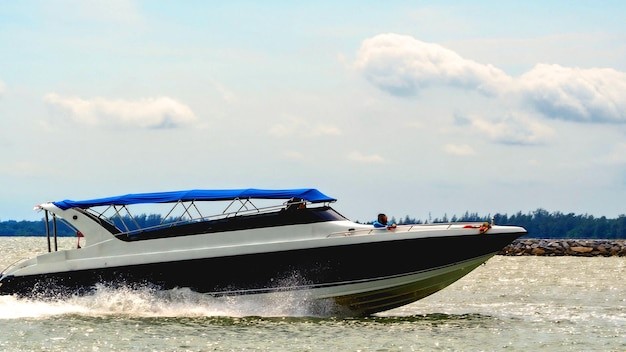
If you’re concerned about high transport expenses, here are some strategies to cut costs while still ensuring safe delivery:
Booking early can also help you avail yourself of better plans and allows you to choose from multiple shipping companies rather than settling for last-minute availability.
You can save money on high-demand charges by avoiding peak transport seasons.
Removing arches, towers, or antennas can help avoid oversized fees and special routing costs.
It’s better to compare options rather than pay for the first quote. This way, you can get a better package by requesting estimates from multiple providers and reviewing their insurance coverage and reputation.
The cost of transporting a boat in 2025 can vary from time to time. You can make the process more cost-saving by understanding average prices and implementing money-saving strategies. You should also remember that even if professional transporters manage to deliver on time, you can still face some unavoidable delays due to weather or road conditions.
When you move your boat, it’s wise to choose experienced shipping companies that provide transparent pricing and can provide you with assistance and peace of mind throughout the journey.
Set Sail Boat Transport is here to help you plan your next boat transit. Contact our boat transport professionals today to move your boat safely.
If you own a paddle boat, you already know how much fun it brings to your time on the water. But many boaters ask the same question you might be wondering is, how to transport a paddle boat without stress or damage.
Moving it from storage to the water requires the right steps, planning, and tools. Doing it the wrong way can cause costly damage or safety risks.
With the right method, you can enjoy smooth and secure transport every time. Here’s the step-by-step guide to transporting a paddle boat safely:
Before loading, check the boat for loose gear, dirt, or water. Remove items that may shift during hauling. Drain any water inside the hull. Secure small accessories, such as paddles and life vests, in a bag. A clean, empty boat is safer to move and easier to secure.
Select a trailer that matches the size and weight of your paddle boat. Using the wrong type increases the risk of shifting during travel. The trailer should have rollers or bunks that fit the boat’s hull. Check the tires, lights, and hitch before loading to ensure safe towing.
This is among the most important steps when you’re learning how to transport a paddle boat. Position the trailer on level ground before loading. Align the boat with the trailer center. Use a winch strap to pull it forward until the bow fits snugly against the trailer stop. Double-check that the boat sits evenly on the supports. Uneven placement can cause swaying or damage.
make sure to use secure strapping methods. Use ratchet straps across the stern and bow. Make sure straps are tight but not overly stretched. Avoid using ropes because they loosen during travel.
Test the tension by gently pushing the boat side to side. A professional boat transport company can assist you with preparing your boat.
Before hitting the road, inspect the towing vehicle. Make sure the hitch is locked, and the safety chains are crossed under the trailer tongue. To ensure boat trailer safety, check brake lights and turn signals. The towing vehicle must have enough capacity to handle the weight of both the trailer and paddle boat.
Drive at moderate speeds. Avoid sharp turns, sudden stops, or quick lane changes. Paddle boats are light but can catch wind, making them less stable at high speeds. Keep extra space between your vehicle and others. Slow down over bumps or uneven roads to avoid bouncing.
When you arrive, back the trailer into the water slowly. Keep the vehicle wheels clear of the water if possible. Unhook the winch and straps carefully. Guide the paddle boat off the trailer with control.
Never rush this step, as slips or sudden movement can damage the hull. If you think you cannot manage this yourself, it’s better to take help from boat transportation services.

Protect the hull by adding padding where the boat touches the trailer. Foam blocks or rubber mats reduce scratches and dents. A boat cover shields from dirt, insects, and flying debris during the drive.
Always balance the paddle boat on the trailer. Weight should rest evenly from side to side. Uneven loading can cause fishtailing, making it harder to control your vehicle. Check the tongue weight too. A balanced setup keeps towing smooth.
Look over the boat, trailer, and straps before leaving. Repeat the check after arriving. Road vibrations can loosen straps, so adjust if needed. Inspecting after the trip ensures that your boat has no new cracks or dents.
Not all roads are suitable for towing a paddle boat. Narrow lanes, steep hills, or rough surfaces increase risk. Use highways or smooth routes when possible. Planning helps avoid sudden detours and keeps your trip stress-free.
If you feel unsure about hauling or lack the right trailer, hire professionals. We at Set Sail Boat Transport handle paddle boats with care. Our team uses the right equipment, secure strapping methods, and experienced drivers. Choosing expert help saves you time and gives peace of mind.
A roof rack may work for very small paddle boats, but it is not the safest choice. The weight and size can damage your vehicle and make driving unstable.
Your trailer should match the length and weight of the boat. The supports must align with the hull to keep it balanced. If unsure, ask a dealer or professional transporter for guidance.
The safe speed depends on road conditions and your vehicle, but keeping under 55 mph is best. Lower speeds give you more control and reduce swaying.
Learning how to transport a paddle boat safely makes every trip smoother and less stressful. By following the right steps, securing the load, and driving with care, you can prevent damage and enjoy more time on the water.
If you ever need expert support, we at Set Sail Boat Transport are ready to help you move your paddle boat with safety and ease. Trust us to handle the heavy work so you can focus on enjoying your next adventure.