Close
Moving a yacht over land requires more than finding a truck and agreeing on a pickup date. The carrier must understand large-vessel transport, route requirements, loading procedures, and the level of care an owner expects throughout the move. Knowing the critical things to consider before hiring yacht hauling services can help you evaluate a company before you trust it with a valuable vessel. A thoughtful decision also makes it easier to plan the move, understand the quote, and avoid preventable surprises between the marina and the final destination.
Experience matters because yachts create transport challenges that ordinary freight does not. A carrier should understand how vessel dimensions affect loading, trailer setup, clearance, permits, and route planning. Ask whether the company regularly moves yachts similar in size and configuration to yours.
Do not assume that every company advertising boat transportation specializes in large yachts. Some carriers may focus on smaller recreational boats or different types of freight. A company familiar with yacht hauling should be able to explain its process clearly without making the details unnecessarily complicated.
Yacht owners naturally want to know how a company will protect their vessel during transport. Before hiring a carrier, ask for clear information about insurance coverage and verify what applies to your specific move. Do not rely on a vague statement that the company is insured.
You should also review your own yacht insurance and determine whether your policy has requirements related to overland transportation. The carrier's coverage and your personal policy are separate considerations. If anything seems unclear, request documentation or speak with the appropriate insurance representative. Resolving these details early is far better than trying to interpret coverage after an unexpected event.
The equipment used for yacht hauling should fit the vessel and the demands of the route. Ask whether the transport company uses equipment designed for large boats and how it determines the proper trailer configuration. Set Sail Boat Transport uses its own semi-truck and specialized trailer rather than relying on a customer's trailer. The company loads yachts at the marina onto its transport equipment for the move.
The carrier also needs accurate vessel measurements to determine how the yacht will sit on the trailer and what the overall transport dimensions will be. Height becomes especially important because the loaded yacht must travel safely beneath overhead obstacles. Accurate information at the planning stage supports better equipment decisions and route preparation.
Price is an important concern, but the lowest number should not automatically determine your choice. Yacht transport costs can reflect distance, vessel dimensions, permit requirements, and the complexity of the move. Ask the carrier to explain what the quote includes and what circumstances could change the final amount. A transparent explanation helps you compare proposals on more than the headline price.
Pay attention to how the company handles estimates and potential adjustments. A professional carrier should be willing to discuss the assumptions behind its pricing. Set Sail Boat Transport emphasizes fair, transparent pricing and credits customers when a trip costs less because the quoted mileage was higher than the actual mileage.
Communication often reveals what working with a transport company will feel like. Notice whether the carrier responds to questions directly and explains the process in language you can understand. You should know whom to contact when you need an update. Consistent communication becomes especially valuable when a yacht is traveling a long distance and the owner cannot be present throughout the trip.
Ask how the company communicates before pickup and while the yacht is in transit. Confirm when you should expect updates and how the company will handle schedule changes. Set Sail Boat Transport places an emphasis on constant communication and aims to respond to prospective customers within 24 hours of a call or form submission.
A yacht's route cannot always follow the same path you would choose in a passenger vehicle. The vessel's loaded height and overall dimensions may affect which roads are practical. Oversize movements can also require permits that vary according to the transport. A qualified yacht hauler should account for these requirements rather than treating route planning as an afterthought.
Provide accurate dimensions and any vessel information the carrier requests. Small measurement errors can create larger planning problems once the yacht is on the trailer. The transport company should use those details to evaluate the move and prepare appropriately. Good route planning is part of protecting the yacht while keeping the transport organized from origin to destination.
The pickup and delivery locations deserve as much attention as the highway portion of the move. Confirm where the company will load the yacht and whether the marina can accommodate the transport equipment. Ask what needs to happen before the truck arrives and who is responsible for coordinating necessary marina arrangements.
The same planning applies at the destination. Make sure the receiving location is prepared for the yacht and understands the expected arrival process. Discuss access concerns with the carrier in advance rather than waiting until the truck reaches the site.
A yacht is more than oversized cargo to its owner. Whether you recently purchased your yacht, plan to sell it, or need to relocate it, you want the carrier to protect its condition throughout the hauling process. Ask how the carrier approaches handling and what steps it takes to protect vessels under its care. The answers should reflect an understanding of the responsibility involved in transporting a high-value yacht.
Professionalism also shows in how a company discusses limitations. A trustworthy carrier should be clear about the vessels it handles and the services it does not provide. Set Sail Boat Transport focuses on sailboats and yachts rather than small boats, jet skis, or pontoons. That focus helps prospective customers determine whether the company's service matches their vessel before transport planning begins.
Reviewing the critical things to consider before hiring yacht hauling services gives you a practical way to compare carriers beyond price alone. Look closely at relevant experience, insurance coverage, equipment, communication, route planning, and the company's approach to caring for your yacht. Asking detailed questions before signing an agreement can help establish clear expectations for the entire move.
Set Sail Boat Transport provides boat hauling services for sailboats and yachts throughout the lower 48 states, using specialized equipment, transparent pricing, and attentive communication to support each transport. Request a quote today to learn more.
Moving a yacht across state lines requires more preparation than simply choosing a pickup date and meeting a transport truck at the marina. Owners need to consider the vessel’s dimensions, equipment, condition, loading requirements, and destination before the trip begins. Knowing how to prepare your yacht for interstate transport helps you work effectively with your transporter while reducing avoidable complications during loading and delivery. A thoughtful approach also gives the transport team the information and access needed to move your yacht safely from one location to another.
Accurate measurements play an important role in planning an interstate yacht move. Your transport provider needs to understand the yacht’s overall dimensions to determine how the vessel will fit on a specialized trailer and what requirements may apply along the route.
Provide the yacht’s overall length, beam, and height as accurately as possible. Remember that transport height depends on how the yacht sits on the trailer, rather than its dimensions while floating at the marina. Equipment mounted above the deck can significantly affect the final loaded height.
Your transporter may need additional information about the yacht’s design or configuration. Providing complete details early allows the transport team to plan for loading and determine whether you should remove certain components before departure.
Interstate yacht transport involves more than finding the shortest highway between two marinas. Large vessels may face restrictions based on their loaded dimensions, and transportation requirements can change as a truck crosses state lines.
The transport company handles route planning based on the yacht and applicable transportation requirements. Depending on the loaded size of the vessel, permits or other arrangements may be necessary. Height can also influence which roads provide a suitable route.
Give your transporter accurate pickup and delivery addresses as early as possible. The team can then evaluate the move and identify potential access concerns before the truck arrives. Good planning helps prevent unnecessary surprises after the transporter has loaded the yacht.
Before loading, inspect the yacht’s exterior and identify anything that could become loose during highway travel. Components designed for normal use on the water may not withstand sustained highway airflow.
Secure exterior doors, hatches, and windows. Remove loose deck equipment that could shift or detach. If the yacht has removable canvas, covers, antennas, or other exposed accessories, discuss them with the transporter to determine what should come off before the move.
Pay particular attention to equipment that adds height. Removing appropriate components may reduce the yacht’s transport profile and make route planning easier. Do not remove structural or unfamiliar equipment without guidance from someone qualified to handle it.
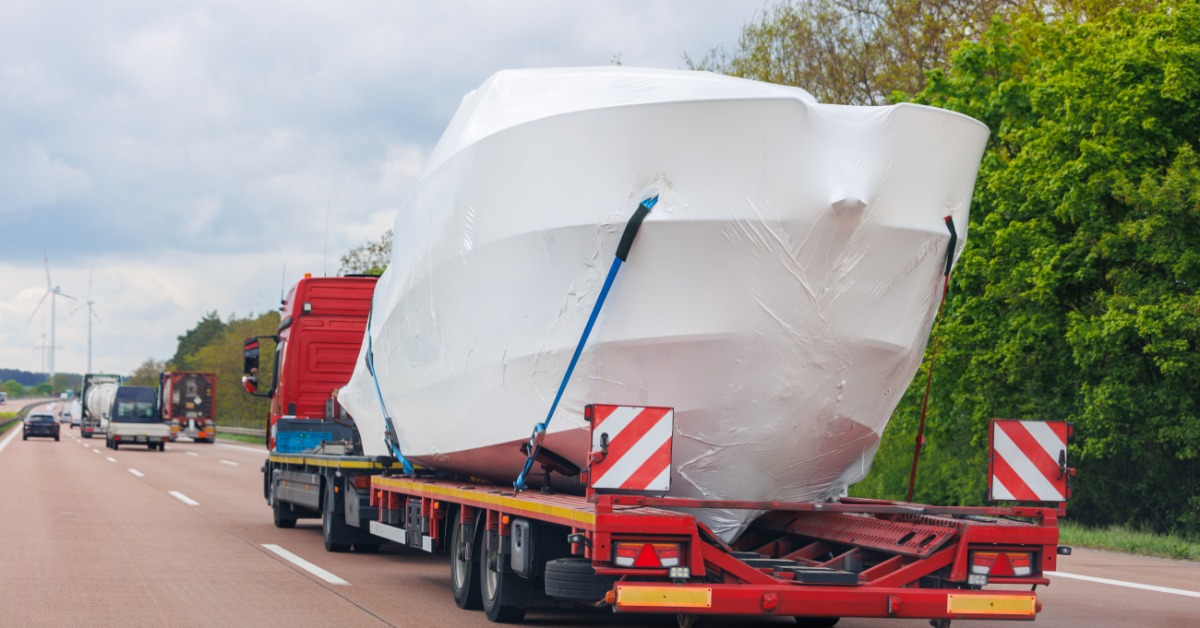
Preparing the cabin matters just as much as preparing the exterior. Items that remain stable while a yacht sits at a dock can move when the vessel travels hundreds of miles over highways.
Walk through the cabin and secure personal belongings, electronics, dishes, and other loose objects. Close cabinets and drawers so they cannot open during movement. Remove valuable or fragile personal possessions rather than assuming they will remain safely in place.
Check each interior area carefully, including storage compartments that are easy to overlook. The goal is to leave the interior ready for normal movement associated with ground transportation without loose belongings shifting throughout the yacht.
Talk with your transport provider about fuel and onboard systems before pickup. A yacht prepared for cruising may not have the configuration required for highway transportation.
Your transporter can explain what you need to address before loading based on the vessel and the planned move. Follow those instructions rather than making assumptions about tanks or onboard systems.
This is also a good opportunity to mention anything unusual about the yacht. If a system requires special handling, tell the transport team in advance. Clear communication allows everyone involved to prepare appropriately instead of addressing unexpected conditions while the truck is waiting at the marina.
Before transport day, inspect the yacht and document its current condition. Take clear photographs of the hull, deck, windows, hardware, and other important exterior areas.
Photograph existing scratches or cosmetic damage closely enough that you can identify them later. Keep wider photographs as well so you have an overall record of the yacht before loading.
Complete this process before the transport team begins handling the vessel. Condition documentation gives you a useful reference at delivery and encourages a careful final inspection once the yacht reaches its destination.
Successful interstate transportation depends on access at both ends of the move. Confirm arrangements with the pickup marina and destination facility well before the scheduled transport date.
Make sure the facilities know when to expect the transport truck. Ask whether there are access limitations or scheduling requirements that could affect loading and unloading. A large transport truck with a specialized trailer needs adequate room to enter and maneuver.
Share relevant marina information with your transporter instead of assuming the facilities will coordinate everything independently. When the yacht owner, transporter, and marina understand the plan, the loading and delivery process can move much more efficiently.
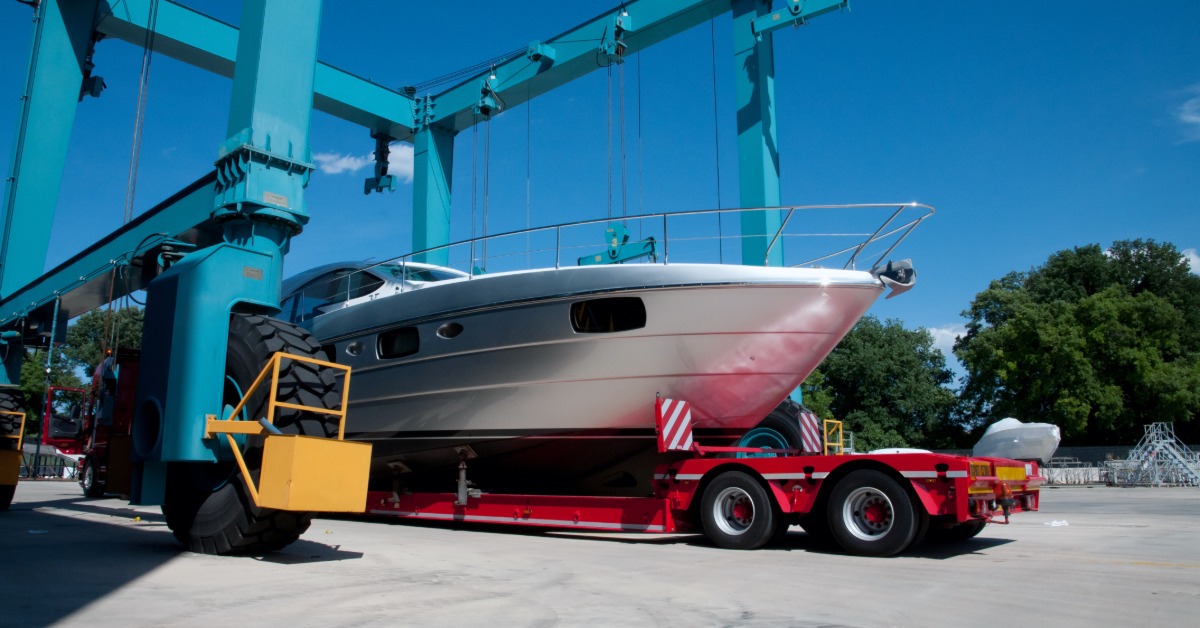
Transport planning depends on the information you provide, so notify the company if something changes. A different marina, revised yacht configuration, or newly installed equipment could affect the transportation plan.
Do not wait until pickup morning to mention modifications that change the yacht’s dimensions. Even an accessory that appears minor could affect overall transport height.
Keep communication open as the scheduled date approaches. Ask questions when instructions are unclear and confirm that you have completed required preparations. Interstate yacht transportation involves several moving parts, and timely communication helps the transport team address issues before they become delays.
Finish preparation before the transport truck arrives whenever possible. Loading day should focus on positioning and securing the yacht rather than completing basic owner preparations.
Confirm that the transporter can access the marina and that the yacht is available at the agreed time. Keep necessary contact information handy in case the driver or marina needs to reach you.
Avoid making last-minute changes to the yacht unless they are necessary. When you complete preparation beforehand, the transport team can concentrate on getting the vessel positioned properly on its specialized trailer and beginning the interstate move.
Preparation continues through delivery. Once the yacht reaches its destination, inspect it carefully and compare its condition with the photographs you took before departure.
Look over the exterior before removing your attention from the transport process. After unloading, you can also review the interior and begin returning secured items to their normal positions.
If you have questions about delivery procedures, discuss them with the transport company beforehand. Knowing what to expect at the destination makes it easier to coordinate with the receiving marina and complete the move smoothly.
Understanding how to prepare your yacht for interstate transport makes the process easier for both the owner and the professionals handling the vessel. Accurate information and careful preparation help create a smoother move from the initial loading appointment through final delivery. Set Sail Boat Transport provides ground transportation for yachts throughout the lower 48 states using its own semi-truck and specialized trailer. With transparent communication and careful attention to each vessel, we help yacht owners coordinate interstate boat transport from marina pickup to destination delivery. Request a quote today!
The moment a yacht purchase closes, ownership changes, but the work of getting the vessel where it needs to go may only be beginning. For buyers who purchase a yacht far from its destination, the next step requires coordination between seller, marina, transport provider, and receiving location. Understanding the logistics of transporting a newly purchased yacht after closing helps a new owner move from signed paperwork to a safe, organized relocation without treating transportation as an afterthought. A well-planned move starts with accurate vessel information and a clear understanding of what must happen before the yacht can leave its current location.
Although transport normally happens after ownership transfers, planning should begin before closing whenever possible from the outset. A buyer does not need to wait until the final signature to start gathering dimensions, identifying the pickup marina, and discussing possible transport dates.
The closing date can also shift during a yacht transaction. Surveys, paperwork, repairs, or other transaction requirements may change the expected timeline. For that reason, owners should treat an early transport date as a planning target until the purchase is complete and the yacht is officially ready for release. Once closing occurs, the owner can confirm the pickup schedule with greater confidence.
Accurate dimensions are central to planning an overland yacht move. The transport provider needs reliable information about the yacht’s overall length, beam, height, and weight as configured for transportation.
Transport height deserves particular attention because the yacht will travel on top of a trailer. Equipment that seems insignificant at the dock can affect the loaded profile once the vessel is prepared for the road. Depending on the yacht, crews may need to remove or secure certain components before loading.
Owners should avoid estimating measurements from a listing alone. Sales information can be useful for initial conversations, but transport planning should rely on verified vessel details.
After closing, the pickup marina becomes an important part of the transportation schedule. The transport provider needs access to the yacht and an appropriate location for loading.
The new owner should confirm who is authorized to release the yacht after the sale. That preparation also gives the owner time to resolve access questions before the scheduled truck reaches the marina on pickup day. If a broker, seller, or marina representative will handle the handoff, everyone should understand the planned pickup date.
Loading also depends on site conditions. A professional transporter can discuss access requirements with the marina and determine what coordination is necessary before arrival.
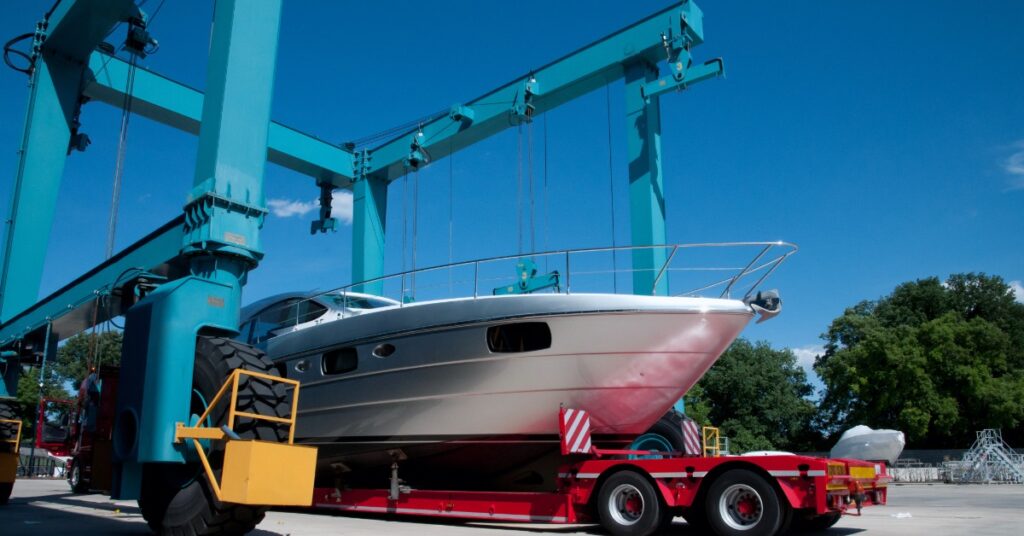
A yacht that is ready for cruising is not automatically ready for highway travel. Before loading, the vessel must be prepared for the conditions it will experience on the road. Secure loose gear, and exterior items that could shift or create excess height may require attention.
Preparation responsibilities should be clear before pickup day. The owner should ask the transport provider what they need to complete in advance and what work will happen during loading. If marina personnel or another marine professional must handle specific preparation, scheduling that work early can prevent delays. Last-minute surprises can affect timing, especially when they involve equipment removal or access to marina services.
Moving a large yacht over land involves more than choosing the shortest highway between two locations. The yacht’s loaded dimensions can influence the route and the permits required for the trip. Height, width, and other transport considerations may determine which roads are practical.
Permit requirements can also affect the final cost of a move. Because each yacht and route is different, owners should expect the transporter to evaluate the specific vessel rather than rely on a generic mileage calculation. A longer route may sometimes be necessary to accommodate the loaded yacht safely. The transporter uses those details to plan a workable route and account for transportation requirements before the yacht leaves the marina.
The receiving marina or yard needs preparation too. The owner should confirm that the facility expects the yacht and can accommodate the transport equipment.
A receiving facility may have its own schedule for unloading or launching the yacht. If the transporter arrives when the necessary personnel or equipment are unavailable, the delivery can become more complicated.
Owners should also make sure the receiving contact has the transport schedule and knows who to reach if timing changes. Long-distance transportation can involve variables on the road, so practical communication remains important until delivery is complete.
A newly purchased yacht represents a significant investment, and owners naturally want to know what is happening during transport. Clear communication should begin before pickup and continue through delivery.
Good communication is especially valuable when several parties remain involved after closing. Brokers and marina staff may still have responsibilities connected to the vessel.
Owners should also ask questions when a transport detail is unclear. A professional provider should be able to explain the process in straightforward terms without making the owner sort through unfamiliar transportation requirements alone.
Not every boat transport service can accommodate large yacht moves. Buyers should work with a provider that has appropriate hauling equipment and experience with the type of vessel they are transporting. The company should also communicate clearly about pricing and care.
Set Sail Boat Transport uses its own semi-truck and specialized trailer for yacht transportation rather than relying on a customer’s trailer. We provide ground transportation for yachts throughout the lower 48 states and focus on clear communication throughout the move.
Managing the logistics of transporting a newly purchased yacht after closing becomes easier when you treat transportation as part of the ownership transition, not a separate last-minute task. Accurate dimensions and thoughtful scheduling help move the yacht from the seller’s location toward its next destination successfully with fewer preventable complications.
Set Sail Boat Transport provides professional yacht transport services for owners moving large vessels, using specialized equipment while emphasizing transparent pricing and attentive care. With an experienced transport partner handling the overland move, a new owner can focus on preparing for the yacht’s arrival and the next chapter of ownership. Request a quote today to learn more.
Shipping a luxury sailboat for the first time can feel overwhelming, especially when you have invested significant time and money into finding the right vessel. Whether you are relocating or buying a sailboat, understanding what to expect when shipping your first luxury sailboat helps you prepare for the process.
Professional transport involves much more than simply loading a boat onto a trailer. It requires careful planning, specialized equipment, and experienced professionals who understand how to move valuable sailboats safely across long distances.
Luxury sailboats differ from many other vessels because of their size, design, and value. Every transport begins with understanding the specific measurements of the boat, including its height, width, length, and weight. These details determine the type of trailer required as well as the permits necessary for the planned route.
Professional transport companies use equipment designed specifically for large sailboats rather than relying on standard trailers. Proper support beneath the hull reduces unnecessary stress during travel while helping protect the vessel throughout the journey. Experienced transport teams also understand how different sailboat designs require different loading methods, allowing them to adjust their approach for each customer.
Choosing a transporter that specializes in sailboats provides additional confidence because the crew understands the challenges that can arise before, during, and after transportation. Experience becomes especially valuable when moving high-value vessels over hundreds or even thousands of miles.
Preparation begins well before the scheduled pickup date. Once you request a quote, the transport company gathers information about your sailboat and your preferred destination. Accurate information allows the company to develop a transportation plan that reflects your boat's unique requirements.
Scheduling also involves coordinating with the marina where your sailboat is currently located. The marina may need to reserve equipment or designate a loading area before transport can begin. Planning ahead helps prevent unnecessary delays while making pickup more efficient.
You should also review any paperwork requested by your transport company before loading day arrives. Having documentation ready allows the process to move forward without interruptions while giving everyone confidence that the shipment is properly organized.
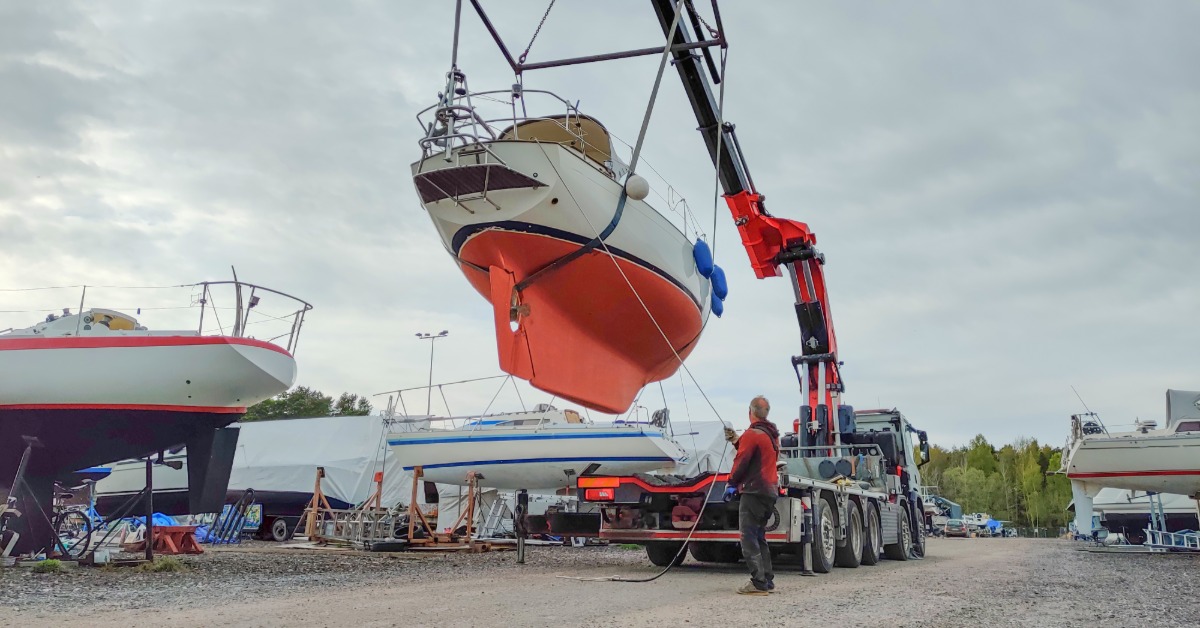
Owners play an important role in preparing their sailboats before transportation begins. Remove personal belongings whenever possible, particularly items that could shift while the trailer is traveling over highways. You should also secure loose equipment before the transport crew arrives.
Many owners choose to photograph every section of the sailboat before loading. Current photographs provide a helpful record of the vessel's condition before transportation begins. They also create peace of mind because you have documented the appearance of your investment before it leaves the marina.
If your sailboat includes removable electronics or custom accessories, ask your transport company whether those items should remain onboard or travel separately. Every vessel is different, so recommendations may vary depending on the equipment installed.
Loading is one of the most important stages of the transportation process. Professional crews work closely with marina personnel to position the sailboat carefully onto a specialized trailer designed to support the hull properly. Crews make deliberate adjustments to ensure the vessel remains balanced throughout the trip.
Once the crew has correctly positioned the sailboat, they secure it using equipment appropriate for its size and construction. Before leaving the marina, the team performs a careful inspection to confirm everything remains stable for highway travel.
Many first-time owners worry about what happens after the truck leaves the marina. Reliable communication helps answer that question by providing updates as the trip progresses. Knowing where your sailboat is and understanding any schedule changes can make the entire experience much less stressful.
Weather conditions, highway restrictions, and oversized load regulations occasionally require adjustments during transportation. Experienced transport companies monitor these factors closely and communicate changes as they occur. Rather than rushing to meet an unrealistic deadline, professional transporters prioritize the safe arrival of your sailboat.
Open communication also gives customers an opportunity to ask questions while the shipment is underway. Responsive service builds trust because owners know they can reach someone who understands their concerns and can provide accurate information about the trip.
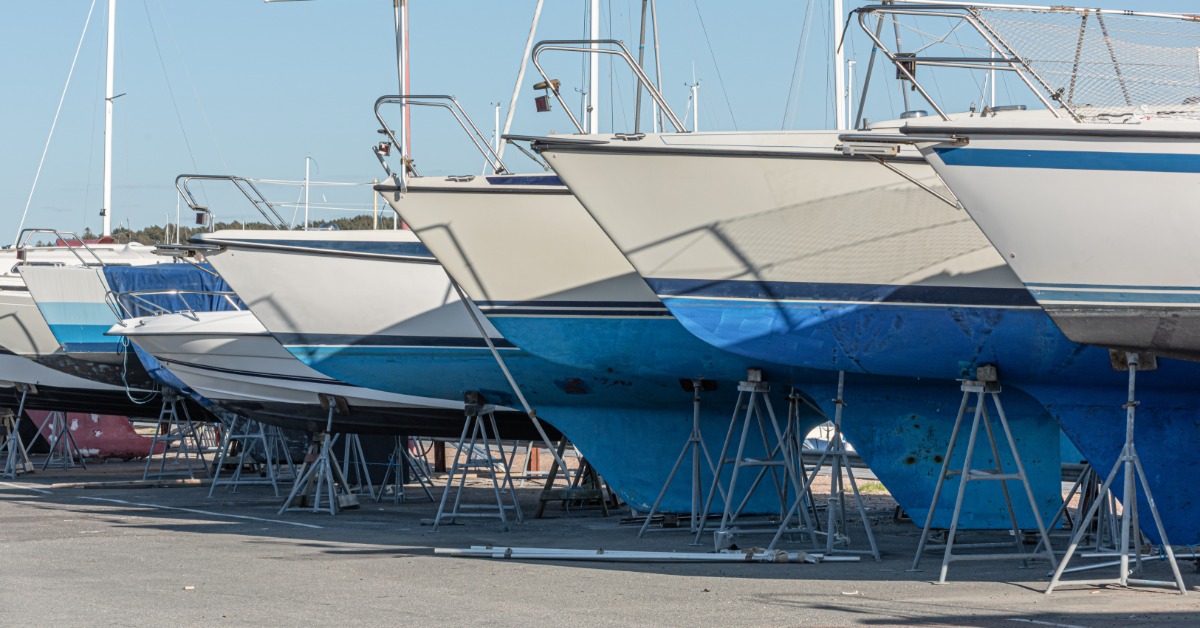
Every luxury sailboat shipment has unique requirements, so pricing varies from one project to another. Distance remains an important factor, although vessel dimensions, route complexity, permit requirements, and seasonal demand also influence the overall cost. Understanding these variables helps you compare quotes more effectively instead of focusing only on the lowest price.
A transparent estimate should explain included services before transportation begins. Knowing exactly what you are paying for allows you to plan your budget with greater confidence while avoiding unexpected charges later. Honest communication about pricing reflects the professionalism many boat owners value when selecting a transport company.
Although saving money matters, protecting a luxury sailboat should remain the primary goal. An experienced transporter with specialized equipment often provides greater value because careful handling reduces unnecessary risk throughout the journey.
Delivery day marks the final stage of the transportation process. Before unloading begins, you should inspect the sailboat and compare its condition with the photographs taken before pickup. This final review helps confirm everything arrived as expected.
The unloading process requires the same level of care used during loading. Professional crews coordinate with the receiving marina to move the sailboat safely from the trailer into its new location. The crew maintains careful control of the sailboat until they complete the unloading process.
Once delivery is complete, you can begin preparing your sailboat for its next adventure. Whether you plan to cruise new waters or finalize a recent purchase, professional transport lets you focus on enjoying your sailboat instead of moving it.
Understanding what to expect when shipping your first luxury sailboat allows you to approach the process with realistic expectations and greater confidence. From careful planning through safe delivery, every step contributes to protecting your investment while reducing unnecessary stress.
Set Sail Boat Transport provides professional sailboat transport services throughout the lower 48 states. We combine transparent pricing with constant communication and exceptional care, helping owners move luxury sailboats safely while treating every vessel with the attention it deserves. Request a quote today to learn more.
Moving a valuable boat requires more than finding a company with an available trailer. Every vessel deserves careful planning, proper handling, and experienced professionals who understand the transport process from start to finish. Owners should evaluate each company before making a commitment because the quality of service directly affects the safety of the vessel during transit. Knowing how to choose the right boat transport services for your vessel helps you avoid unnecessary stress while protecting one of your most significant investments.
Experience should be one of the first qualities you evaluate. Companies that regularly transport sailboats and yachts understand the unique challenges involved with oversized loads, varying road conditions, and careful loading procedures. They recognize how different hull shapes, mast configurations, and dimensions affect every move.
A company with substantial experience has likely handled situations like yours. That familiarity allows the transport team to anticipate obstacles before they become problems. Experienced professionals also know how to prepare a vessel properly, reducing the chance of delays or unexpected complications.
When speaking with a transport company, ask about the types of boats they move most often. A provider that specializes in larger vessels will usually have equipment and procedures designed specifically for those transport needs.
Not every transport company operates with the same equipment. The quality of trailers, trucks, and loading methods directly influences the security of your boat throughout the journey. Specialized equipment designed for larger sailboats and yachts provides greater stability and better support during transport.
Ask how the company loads and secures vessels before departure. Reliable transport providers use methods that protect the hull while preventing unnecessary movement during travel. Proper tie-down procedures and careful weight distribution contribute to a smoother trip from pickup to delivery.
It also helps to know whether the company supplies its own transportation equipment. Dedicated transport equipment demonstrates preparation and consistency while reducing potential issues that may arise from relying on unfamiliar trailers.
Boat owners often worry about their vessel once it leaves the marina. Clear communication can significantly reduce that anxiety. A trustworthy transport company keeps customers informed throughout the process instead of leaving them wondering where their boat is located.
Before scheduling transport, ask how the company provides updates. Companies that maintain regular communication demonstrate professionalism and respect for their customers. Prompt responses to questions also indicate that customer service remains a priority throughout the transport experience.
Good communication begins before pickup and continues until delivery. When expectations remain clear, both parties understand scheduling, preparation requirements, and arrival details.
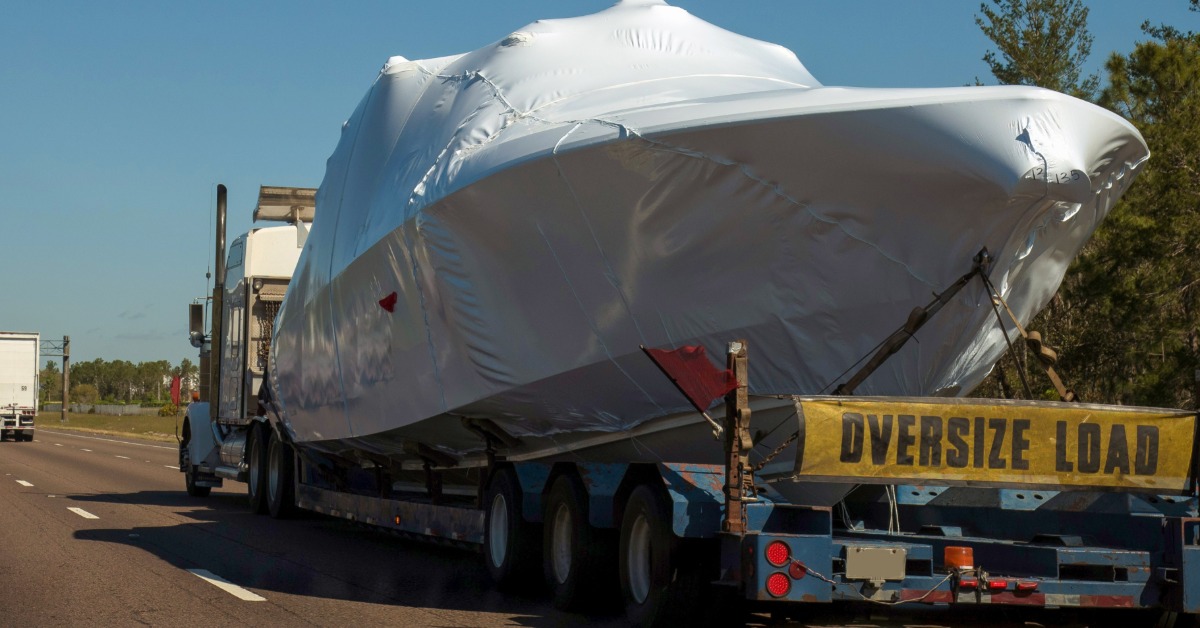
Price naturally influences every purchasing decision, but choosing the lowest estimate can create unnecessary risks. Extremely inexpensive quotes sometimes leave out important services or fail to account for permits, route planning, or specialized handling requirements.
Instead of focusing only on cost, ask what the quoted price includes. Transparent pricing helps you understand exactly what you receive while preventing unpleasant surprises later. An honest company explains potential variables before the job begins instead of adding unexpected charges afterward.
Value comes from dependable service, experienced handling, and consistent communication. Paying slightly more for professional transportation often protects your investment far better than selecting the cheapest available option.
Insurance offers important protection during transport. Before hiring a company, ask about its coverage and confirm that your vessel remains protected throughout the trip. Reputable transport providers willingly discuss insurance because they understand why owners want reassurance.
Professional standards extend beyond insurance coverage. Observe how the company answers questions, explains procedures, and addresses concerns. Organizations that operate with integrity provide straightforward information without making unrealistic promises.
Trust develops when a company demonstrates accountability during every conversation. Honest communication often reflects the same level of care customers receive once transportation begins.
Boat transportation requires planning well before moving day. Availability may vary depending on the season, destination, or permit requirements. Contacting a transport company early gives you more flexibility when choosing pickup and delivery dates.
Preparation also plays an important role in a successful move. Transport professionals should explain what owners need to remove, secure, or document before loading begins. Clear preparation guidelines reduce delays while helping protect the vessel throughout transit.
A company that invests time explaining the process shows genuine commitment to customer satisfaction rather than simply completing another shipment.
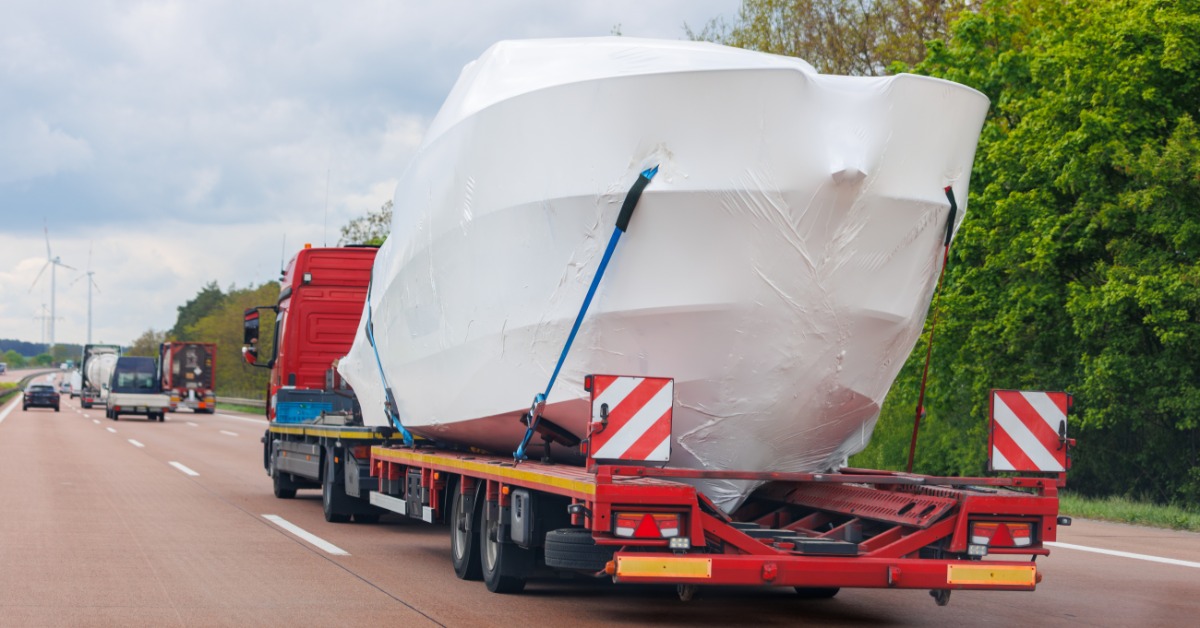
Reviews provide valuable insight into the customer experience. Instead of looking only at star ratings, read comments that describe communication, professionalism, and how the company handled unexpected situations. Consistent positive feedback often reveals dependable service over time.
Pay attention to how customers describe the condition of their boat after delivery. Comments about careful handling, punctual arrivals, and responsive communication indicate a company that values long-term relationships.
No business satisfies every customer perfectly, but recurring patterns help identify strengths as well as potential concerns. Balanced reviews often paint the clearest picture of what you should realistically expect.
Selecting a boat transport company ultimately comes down to confidence. You should feel comfortable asking questions, discussing concerns, and understanding every step before transportation begins. A trustworthy provider welcomes those conversations because informed customers make better decisions.
Professional boat transport depends on preparation, experience, and honest communication rather than impressive advertising alone. Taking time to evaluate each company carefully increases the likelihood of a smooth transport experience from beginning to end while protecting your vessel throughout the journey.
Choosing a transport company deserves careful thought because your boat represents both a financial investment and countless memories on the water. By evaluating experience, equipment, communication, insurance, and pricing, you can make an informed decision with greater confidence. Understanding how to choose the right boat transport services for your vessel helps you protect your investment while avoiding unnecessary uncertainty.
Set Sail Boat Transport provides professional boat transport services for sailboats and yachts throughout the lower 48 states. With our transparent pricing, consistent communication, and careful handling from pickup through delivery, we give owners confidence that their vessel remains in capable hands every mile of the journey. Request a quote today!