Close
Moving a large yacht over land requires more than booking a truck and choosing a delivery date. Your vessel's dimensions influence equipment choices, travel routes, and the preparation needed before departure. Understanding the tips for a seamless and successful large yacht transport process helps you make informed decisions without overlooking important details. Whether you recently purchased a yacht or plan to relocate to another marina, careful coordination can make the experience easier.
Contact a yacht transport company as soon as you know where your vessel needs to go. Large yachts require specialized trailers, and transporters must evaluate each move before scheduling. Starting early gives you time to coordinate marina access and address any preparation work.
Share your preferred pickup window rather than insisting on a single date. Weather conditions and permit requirements can affect when a transporter can travel. A flexible schedule helps everyone plan around practical constraints without rushing. Ask when the company expects to confirm the final pickup window.
If you are purchasing a yacht, speak with your broker about the expected closing date. Arrange transport discussions before closing, but confirm the actual pickup only after the seller has completed handoff. This prevents confusion over who can authorize access to the vessel.
Your transport provider needs reliable measurements to determine whether the yacht can travel safely on a specialized trailer. Give them the overall length, beam, height, and approximate weight. Include information about the keel features that affect trailer positioning.
Do not assume the measurements in an old listing reflect the yacht's current configuration. Added equipment or modifications may change its transport dimensions. Ask a qualified marina professional to verify measurements if unsure.
Height deserves particular attention because the yacht will sit above the road on its trailer. Radar arches or other elevated structures can create clearance concerns. Your transporter can explain which dimensions matter most for the route. Share photos of elevated equipment so the team can spot potential clearance concerns early.
A large yacht needs a trailer that supports its hull properly. Ask how the transport company evaluates support points and handles vessels of different sizes. The right loading arrangement helps protect the yacht during travel.
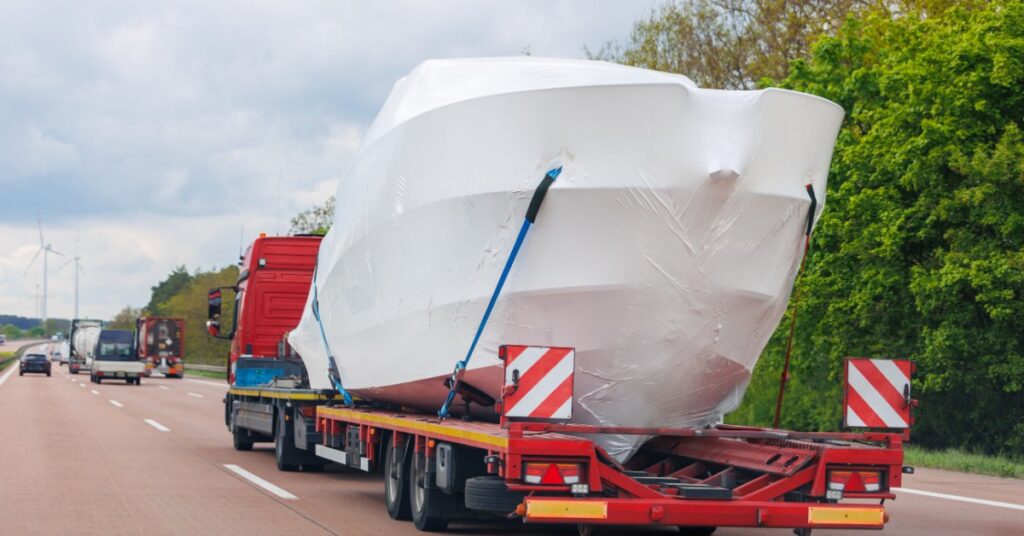
Road travel also demands thoughtful route planning. A yacht's width or loaded height may limit which roads the driver can use. Bridges and overhead obstacles can influence the route.
Depending on the yacht's dimensions and the states involved, the move may require oversize load permits. Let your transporter explain the relevant requirements. An experienced provider will consider those restrictions when developing the transportation plan. Ask how travel restrictions might affect your estimated arrival date.
Walk through the yacht before loading. Remove loose belongings, and secure anything that must remain aboard. Pay special attention to cabinet doors and items stored in open compartments.
Ask your transporter which exterior components need removal before loading. Antennas or other projections may increase overall height or become vulnerable during transit. Coordinate any disassembly with a qualified marine technician.
Discuss fuel levels and onboard systems with your transport provider. Different vessels have different preparation needs, so avoid relying on a generic checklist alone. Follow the agreed instructions.
Take clear photographs of the yacht's condition. Keep those images with your transport paperwork. They provide a useful reference at delivery. Store copies somewhere you can access them even when you are away from the marina.
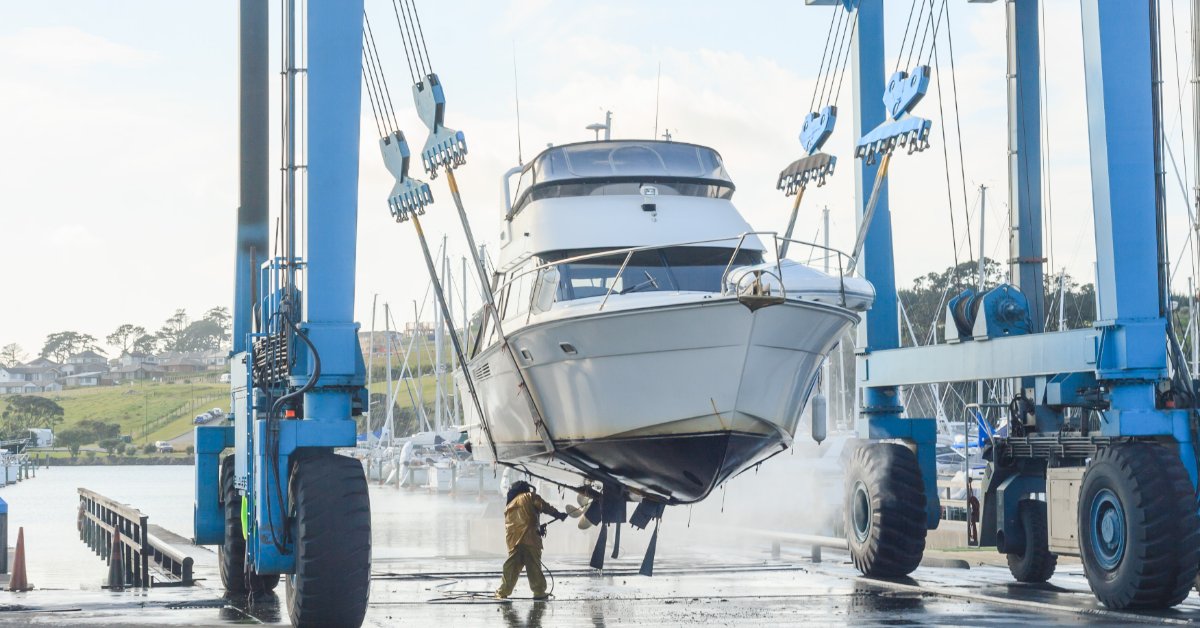
A successful pickup depends on access to the yacht. Contact the departure marina to confirm its procedures for hauling and lifting large vessels. Ask whether staff need advance notice and whether lifting appointments require separate scheduling.
Make sure your transporter and marina understand their respective responsibilities. The marina may manage lifting equipment while the transport company positions its trailer for loading. Clarifying these roles prevents delays.
Confirm that the loading area can accommodate the truck and trailer. Tight turns or restricted access may complicate the operation. Share any known limitations with your transport provider before the pickup date arrives.
Price matters, but the lowest initial estimate may omit important expenses. Ask for a clear explanation of what the quote includes and which circumstances could change the final amount. Large yacht transport costs depend on more than mileage alone.
Your yacht's dimensions can affect permit expenses and route choices. Loading arrangements may also influence the overall cost. Provide accurate details upfront so the transporter can prepare a quote.
Discuss payment terms before committing. Ask how the company handles unexpected changes and whether additional services require separate charges. Transparent communication makes it easier to compare providers.
Before scheduling transport, ask about the company's insurance coverage. Understand what the policy covers and whether your own yacht insurance has requirements for overland movement. Contact your insurer about coverage.
Agree on a practical communication plan with the transporter. Find out who will provide updates and how you can reach that person if plans change. Regular information helps you coordinate with the receiving marina.
Keep important contact details readily available throughout the move. Include a representative from each marina and the person responsible for transport coordination. Quick communication can resolve small scheduling issues.
Contact the destination marina before the yacht leaves its starting location. Confirm that the facility can receive the vessel and arrange the necessary unloading equipment. Make sure its staff know the expected delivery window.
Ask your transporter how unloading will proceed and who must attend. Arrange for qualified help if the yacht needs equipment reinstalled after arrival. Allow sufficient time for those important tasks.
Inspect the yacht carefully at delivery. Compare its condition with your departure photographs and document any concerns promptly. Follow the transport company's reporting procedure if something needs attention. Keep your delivery records until you have resolved remaining questions.
Following these tips for a seamless and successful large yacht transport process helps you approach relocation with confidence. Set Sail Boat Transport provides professional ground transportation for large yachts and sailboats throughout the lower 48 states. As a veteran-owned company, our team uses our own semi-truck and specialized trailer to move vessels between marinas. With transparent pricing and consistent communication, Set Sail Boat Transport helps yacht owners coordinate boat transportation services with care. Contact the team to discuss your vessel and request a transport quote.