Close
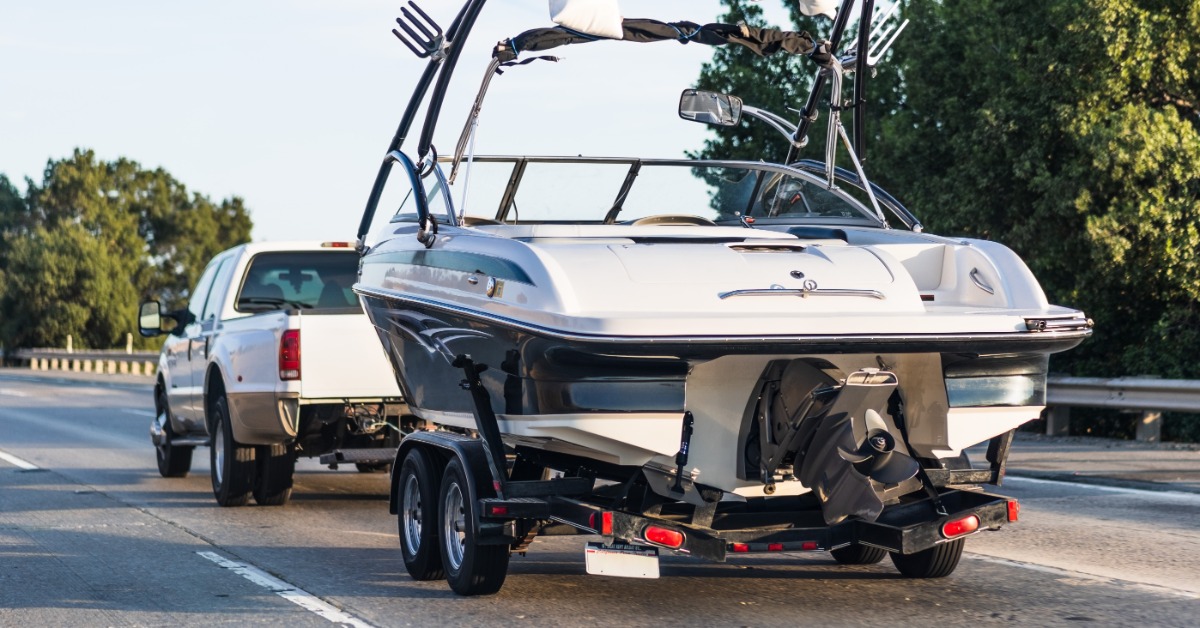
Moving a yacht across state lines requires more than finding a truck and scheduling a pickup. Every state has transportation requirements that can affect how your vessel travels on public highways. Understanding these regulations helps yacht owners avoid unexpected delays and make informed decisions about professional transport services. When navigating cross-state DOT yacht transport rules, you need to consider how federal standards interact with individual state requirements. Working with an experienced yacht transport company can simplify this process while protecting your investment throughout the journey.
The Department of Transportation oversees federal transportation standards that apply to commercial vehicles operating across state lines. These regulations establish important requirements for commercial carriers, including vehicle safety and driver qualifications.
However, federal regulations represent only part of the picture. Individual states also enforce transportation rules that affect oversized yacht shipments traveling through their jurisdictions.
A yacht that travels legally through one state may face additional restrictions after crossing another state border. Professional transport companies account for these differences when planning interstate routes. Yacht owners benefit from understanding this distinction because it explains why long-distance transportation requires careful coordination before departure.
A yacht's physical dimensions influence nearly every aspect of its transportation plan. Transport companies evaluate the vessel's length and beam alongside its overall height once workers secure it to the trailer.
The combined height of the yacht and trailer matters because bridges and overhead structures can limit available routes. A vessel that exceeds applicable dimensional limits may require special authorization before traveling.
Weight also affects transportation decisions. Carriers must consider the yacht's weight together with the trailer and hauling equipment to determine whether the complete load meets applicable restrictions. Accurate measurements help transportation professionals identify potential obstacles before the yacht leaves its original marina.
Many yachts exceed standard highway dimensions when loaded onto specialized transportation trailers. These shipments often require oversize load permits from the states they travel through.
Each state establishes its own permit procedures and conditions. Some jurisdictions restrict certain routes while others impose additional operating requirements based on the shipment's dimensions.
A permit issued by one state generally does not authorize travel through neighboring states. Carriers must secure the appropriate permissions for each jurisdiction along the planned route.
Permit applications require accurate shipment information. Incorrect measurements or incomplete documentation can create complications that affect the transportation schedule.
Professional yacht transport providers evaluate permit requirements before committing to a route. This preparation helps reduce avoidable interruptions during interstate travel.
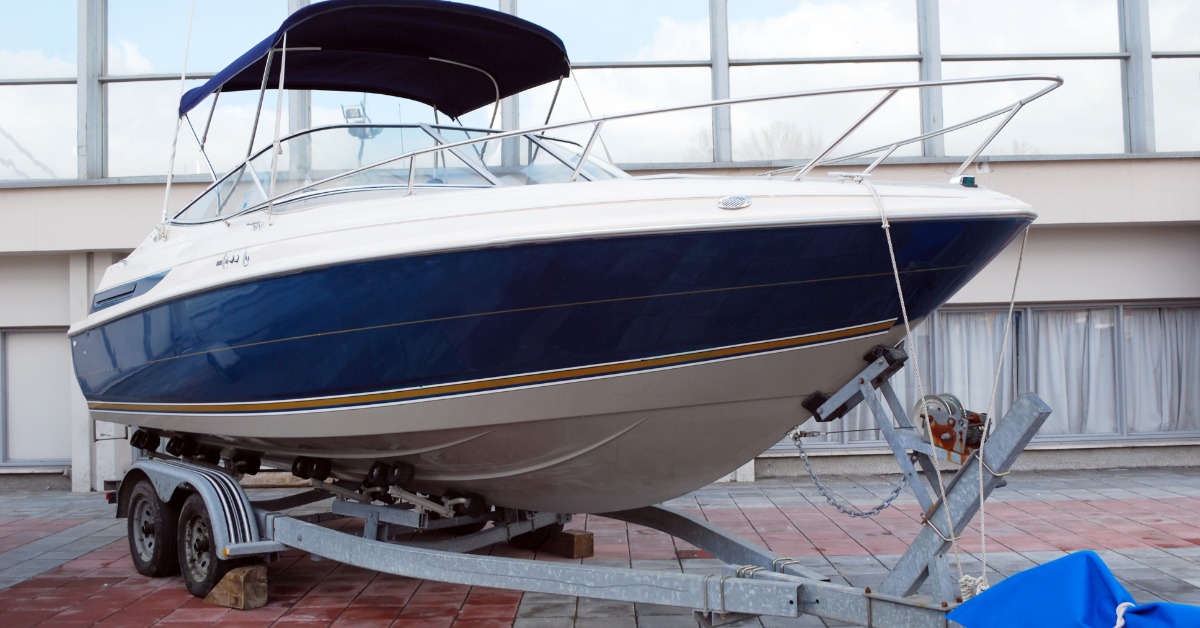
Transporting a large yacht requires a route that accommodates the vessel's loaded dimensions. The shortest highway route may not provide enough clearance for safe passage.
Low bridges present an important concern for tall yachts. Transport professionals must also consider construction zones and roadway limitations that could prevent an oversized shipment from passing safely.
Certain roads restrict oversized commercial vehicles regardless of available clearance. Carriers need to identify these limitations before finalizing their transportation plans.
Route planning becomes especially important when shipments cross several states. Every jurisdiction may introduce different conditions that influence the journey. An experienced carrier evaluates these challenges early and selects a practical route that supports compliant transportation.
Oversized yacht shipments cannot always travel whenever a driver chooses. Some states limit oversized vehicle movement to designated hours or specific days.
Restrictions may become more demanding during holidays or periods of heavy traffic. Certain jurisdictions also impose additional conditions for nighttime travel.
These requirements influence how carriers estimate delivery windows. A shipment may need to stop before reaching its destination because its permit prohibits continued movement.
Weather can create further complications. High winds or reduced visibility may make travel unsafe for a large vessel mounted on a trailer. Yacht owners should recognize that responsible scheduling accounts for these restrictions rather than assuming uninterrupted highway travel.
Some oversized yacht shipments require escort vehicles, depending on their dimensions and the states involved. These vehicles help other motorists recognize the unusual size of the shipment.
States determine when escorts become necessary and may establish specific requirements for their operation. The number of escorts can vary according to applicable regulations.
Additional safety measures may include warning signs or specialized lighting. Carriers must follow the requirements associated with their permits and operating conditions.
These precautions support safer movement through challenging highway environments. They also help transport companies maintain compliance while carrying valuable vessels.
Yacht owners play an important role in preparing their vessels for interstate transport. Proper preparation begins with discussing the vessel's specifications with the transportation company.
Some yachts have removable equipment that affects their overall transport height. Depending on the vessel, lowering or removing certain components may help address clearance limitations.
Owners should confirm which preparations they must complete before the carrier arrives. Clear communication helps prevent disagreements about responsibilities during loading.
Securing loose belongings also supports a smoother journey. Items that shift during transportation can create unnecessary risks inside the vessel. The transport company should explain relevant loading considerations so owners understand what to expect before departure.
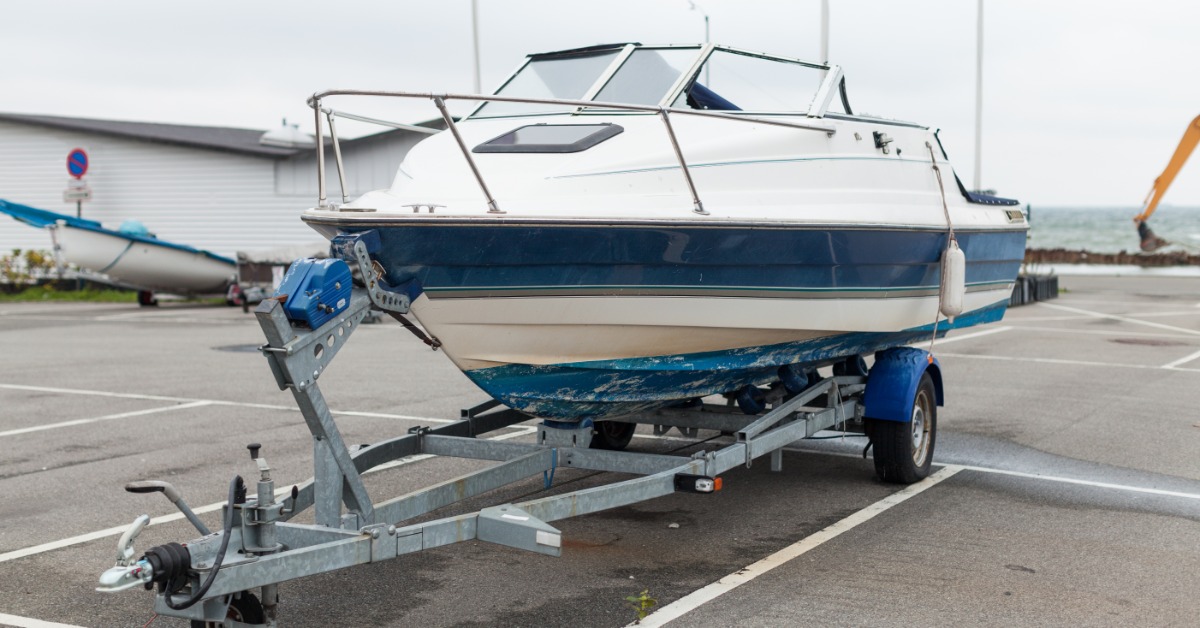
Interstate yacht transportation pricing reflects more than highway mileage. Permit expenses and route requirements can influence the overall cost of moving a large vessel.
An oversized shipment may require a longer route to avoid restricted highways. Additional travel distance can increase transportation expenses.
Escort requirements may also affect pricing when state regulations call for supporting vehicles. The yacht's loaded dimensions help determine whether these services become necessary.
Owners should request a detailed quote that accounts for the transportation requirements associated with their vessel. Transparent pricing helps customers understand the relationship between regulatory compliance and the services required for their move.
Selecting a qualified carrier can make interstate yacht transportation significantly easier. Owners should ask how the company handles permits and evaluates routes before scheduling transportation. Experience with oversized vessels matters because yachts present challenges that ordinary freight shipments do not encounter.
A dependable company should communicate transportation expectations clearly and explain potential scheduling limitations. Owners should also discuss insurance coverage and vessel handling procedures. Professional preparation helps reduce uncertainty while giving customers greater confidence in the transportation process.
Successfully navigating cross-state DOT yacht transport rules requires careful attention to permits and highway restrictions. Set Sail Boat Transport provides professional long-distance boat transport throughout the lower 48 states, helping yacht owners move their vessels between destinations. Our veteran-owned company uses its own semi-truck and specialized trailer to transport yachts with exceptional care. We prioritize transparent pricing and consistent communication throughout the transportation process. Whether you're relocating or purchasing a yacht in another state, our team can help coordinate your move. Contact Set Sail Boat Transport today to discuss your vessel and request a personalized transportation quote.