Close
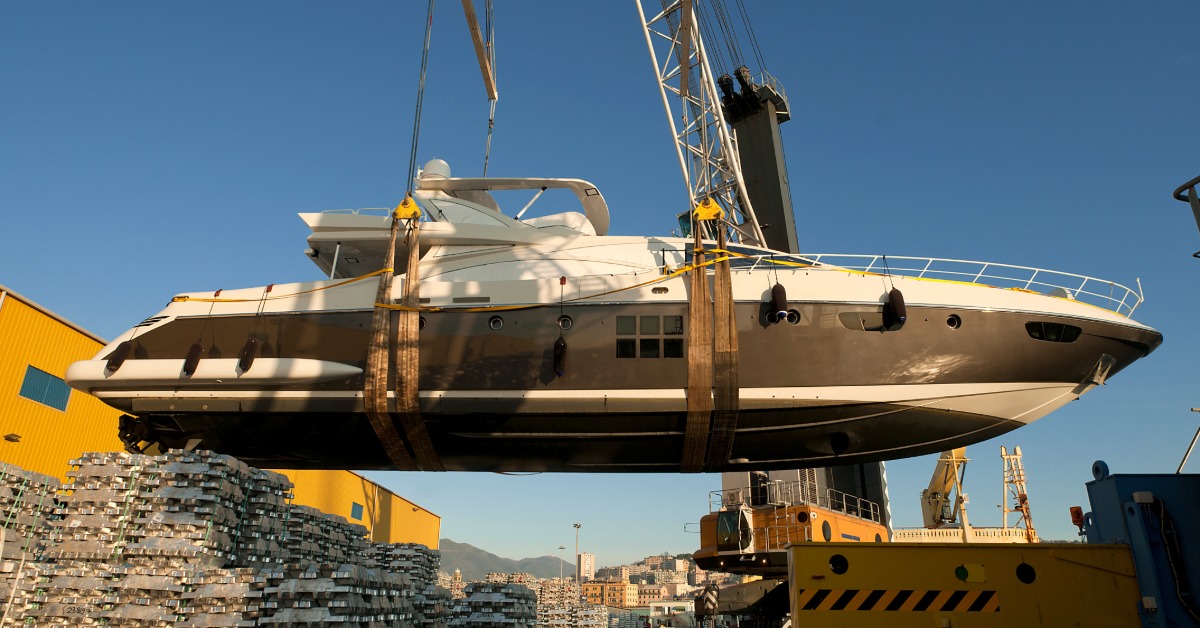
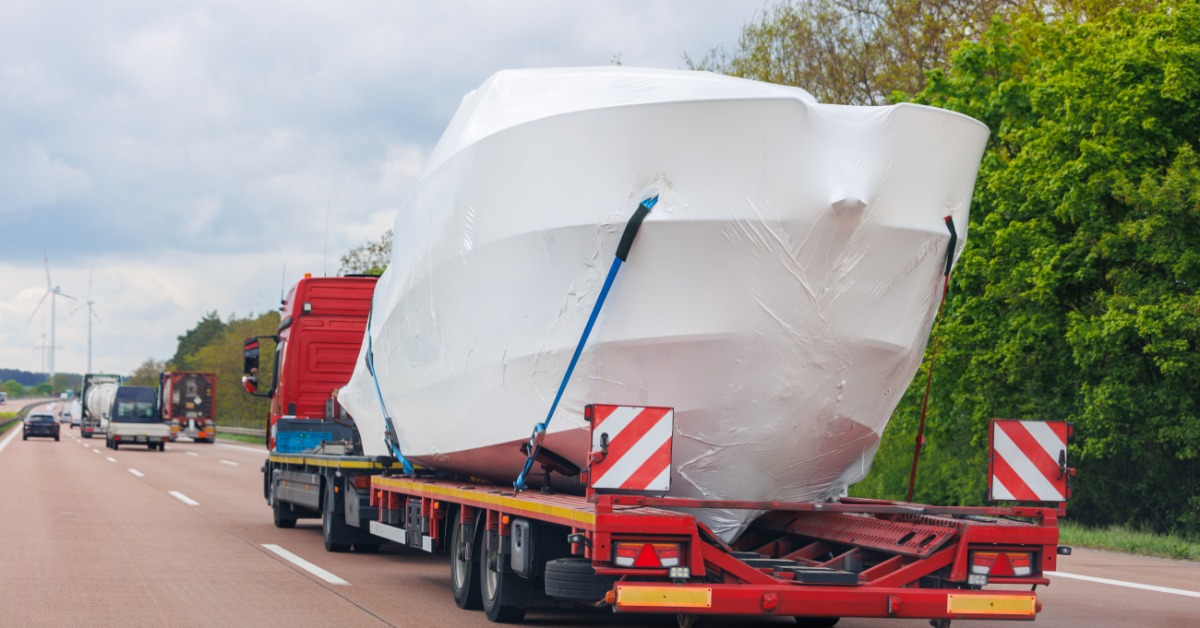
Moving a yacht across state lines requires more preparation than simply choosing a pickup date and meeting a transport truck at the marina. Owners need to consider the vessel’s dimensions, equipment, condition, loading requirements, and destination before the trip begins. Knowing how to prepare your yacht for interstate transport helps you work effectively with your transporter while reducing avoidable complications during loading and delivery. A thoughtful approach also gives the transport team the information and access needed to move your yacht safely from one location to another.
Accurate measurements play an important role in planning an interstate yacht move. Your transport provider needs to understand the yacht’s overall dimensions to determine how the vessel will fit on a specialized trailer and what requirements may apply along the route.
Provide the yacht’s overall length, beam, and height as accurately as possible. Remember that transport height depends on how the yacht sits on the trailer, rather than its dimensions while floating at the marina. Equipment mounted above the deck can significantly affect the final loaded height.
Your transporter may need additional information about the yacht’s design or configuration. Providing complete details early allows the transport team to plan for loading and determine whether you should remove certain components before departure.
Interstate yacht transport involves more than finding the shortest highway between two marinas. Large vessels may face restrictions based on their loaded dimensions, and transportation requirements can change as a truck crosses state lines.
The transport company handles route planning based on the yacht and applicable transportation requirements. Depending on the loaded size of the vessel, permits or other arrangements may be necessary. Height can also influence which roads provide a suitable route.
Give your transporter accurate pickup and delivery addresses as early as possible. The team can then evaluate the move and identify potential access concerns before the truck arrives. Good planning helps prevent unnecessary surprises after the transporter has loaded the yacht.
Before loading, inspect the yacht’s exterior and identify anything that could become loose during highway travel. Components designed for normal use on the water may not withstand sustained highway airflow.
Secure exterior doors, hatches, and windows. Remove loose deck equipment that could shift or detach. If the yacht has removable canvas, covers, antennas, or other exposed accessories, discuss them with the transporter to determine what should come off before the move.
Pay particular attention to equipment that adds height. Removing appropriate components may reduce the yacht’s transport profile and make route planning easier. Do not remove structural or unfamiliar equipment without guidance from someone qualified to handle it.
Preparing the cabin matters just as much as preparing the exterior. Items that remain stable while a yacht sits at a dock can move when the vessel travels hundreds of miles over highways.
Walk through the cabin and secure personal belongings, electronics, dishes, and other loose objects. Close cabinets and drawers so they cannot open during movement. Remove valuable or fragile personal possessions rather than assuming they will remain safely in place.
Check each interior area carefully, including storage compartments that are easy to overlook. The goal is to leave the interior ready for normal movement associated with ground transportation without loose belongings shifting throughout the yacht.
Talk with your transport provider about fuel and onboard systems before pickup. A yacht prepared for cruising may not have the configuration required for highway transportation.
Your transporter can explain what you need to address before loading based on the vessel and the planned move. Follow those instructions rather than making assumptions about tanks or onboard systems.
This is also a good opportunity to mention anything unusual about the yacht. If a system requires special handling, tell the transport team in advance. Clear communication allows everyone involved to prepare appropriately instead of addressing unexpected conditions while the truck is waiting at the marina.
Before transport day, inspect the yacht and document its current condition. Take clear photographs of the hull, deck, windows, hardware, and other important exterior areas.
Photograph existing scratches or cosmetic damage closely enough that you can identify them later. Keep wider photographs as well so you have an overall record of the yacht before loading.
Complete this process before the transport team begins handling the vessel. Condition documentation gives you a useful reference at delivery and encourages a careful final inspection once the yacht reaches its destination.
Successful interstate transportation depends on access at both ends of the move. Confirm arrangements with the pickup marina and destination facility well before the scheduled transport date.
Make sure the facilities know when to expect the transport truck. Ask whether there are access limitations or scheduling requirements that could affect loading and unloading. A large transport truck with a specialized trailer needs adequate room to enter and maneuver.
Share relevant marina information with your transporter instead of assuming the facilities will coordinate everything independently. When the yacht owner, transporter, and marina understand the plan, the loading and delivery process can move much more efficiently.
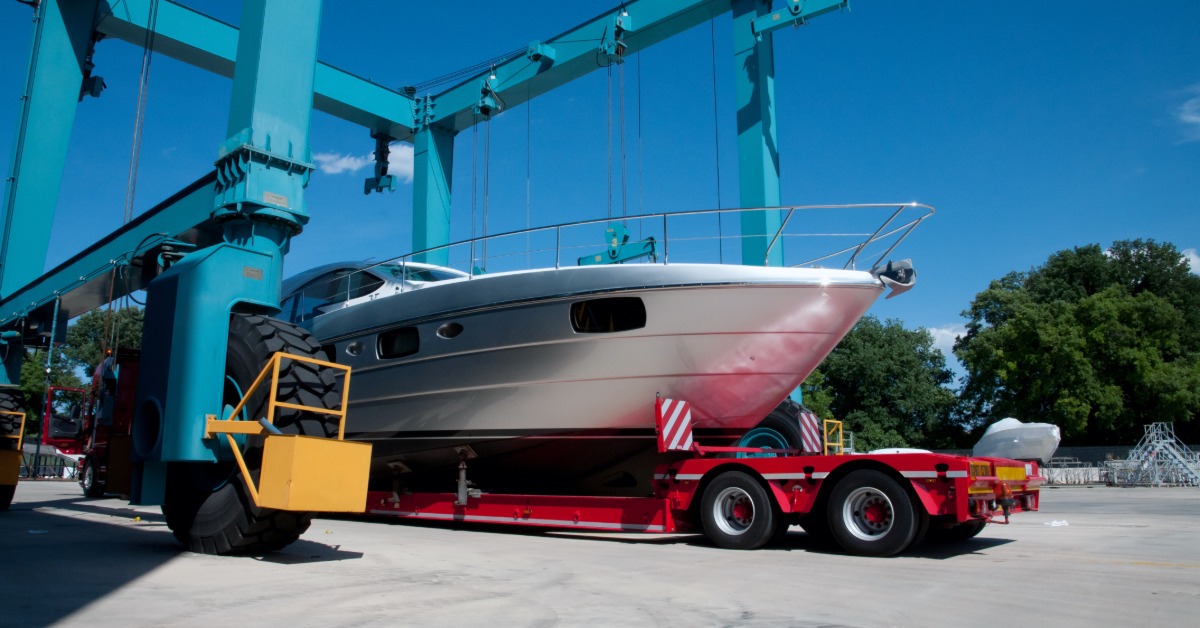
Transport planning depends on the information you provide, so notify the company if something changes. A different marina, revised yacht configuration, or newly installed equipment could affect the transportation plan.
Do not wait until pickup morning to mention modifications that change the yacht’s dimensions. Even an accessory that appears minor could affect overall transport height.
Keep communication open as the scheduled date approaches. Ask questions when instructions are unclear and confirm that you have completed required preparations. Interstate yacht transportation involves several moving parts, and timely communication helps the transport team address issues before they become delays.
Finish preparation before the transport truck arrives whenever possible. Loading day should focus on positioning and securing the yacht rather than completing basic owner preparations.
Confirm that the transporter can access the marina and that the yacht is available at the agreed time. Keep necessary contact information handy in case the driver or marina needs to reach you.
Avoid making last-minute changes to the yacht unless they are necessary. When you complete preparation beforehand, the transport team can concentrate on getting the vessel positioned properly on its specialized trailer and beginning the interstate move.
Preparation continues through delivery. Once the yacht reaches its destination, inspect it carefully and compare its condition with the photographs you took before departure.
Look over the exterior before removing your attention from the transport process. After unloading, you can also review the interior and begin returning secured items to their normal positions.
If you have questions about delivery procedures, discuss them with the transport company beforehand. Knowing what to expect at the destination makes it easier to coordinate with the receiving marina and complete the move smoothly.
Understanding how to prepare your yacht for interstate transport makes the process easier for both the owner and the professionals handling the vessel. Accurate information and careful preparation help create a smoother move from the initial loading appointment through final delivery. Set Sail Boat Transport provides ground transportation for yachts throughout the lower 48 states using its own semi-truck and specialized trailer. With transparent communication and careful attention to each vessel, we help yacht owners coordinate interstate boat transport from marina pickup to destination delivery. Request a quote today!