Close
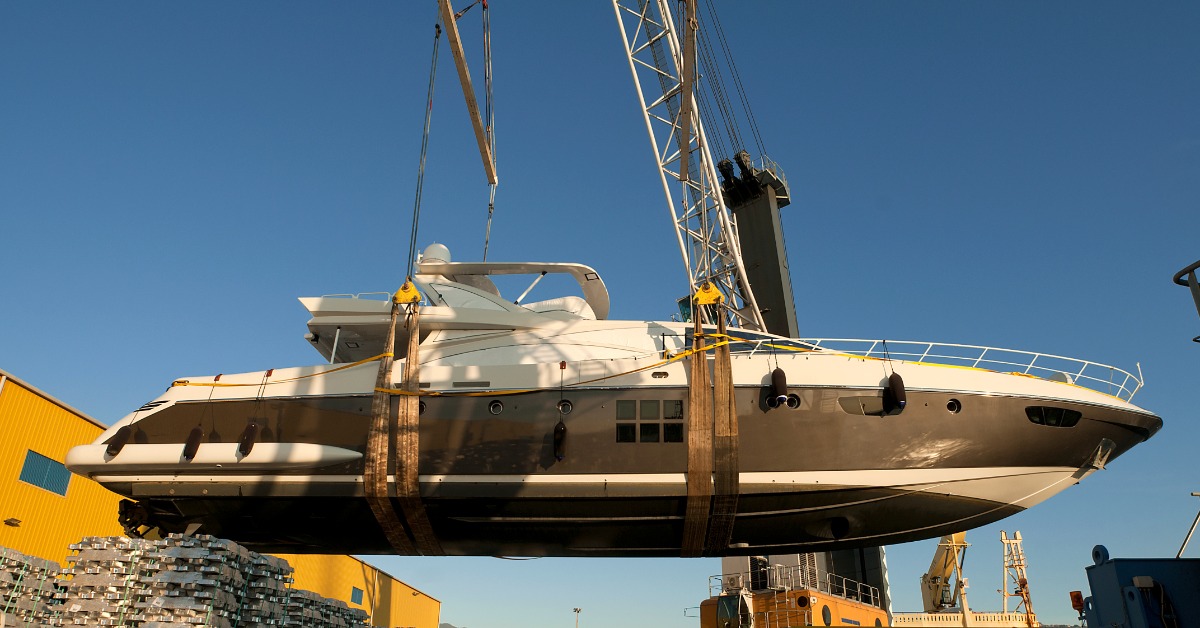
The moment a yacht purchase closes, ownership changes, but the work of getting the vessel where it needs to go may only be beginning. For buyers who purchase a yacht far from its destination, the next step requires coordination between seller, marina, transport provider, and receiving location. Understanding the logistics of transporting a newly purchased yacht after closing helps a new owner move from signed paperwork to a safe, organized relocation without treating transportation as an afterthought. A well-planned move starts with accurate vessel information and a clear understanding of what must happen before the yacht can leave its current location.
Although transport normally happens after ownership transfers, planning should begin before closing whenever possible from the outset. A buyer does not need to wait until the final signature to start gathering dimensions, identifying the pickup marina, and discussing possible transport dates.
The closing date can also shift during a yacht transaction. Surveys, paperwork, repairs, or other transaction requirements may change the expected timeline. For that reason, owners should treat an early transport date as a planning target until the purchase is complete and the yacht is officially ready for release. Once closing occurs, the owner can confirm the pickup schedule with greater confidence.
Accurate dimensions are central to planning an overland yacht move. The transport provider needs reliable information about the yacht’s overall length, beam, height, and weight as configured for transportation.
Transport height deserves particular attention because the yacht will travel on top of a trailer. Equipment that seems insignificant at the dock can affect the loaded profile once the vessel is prepared for the road. Depending on the yacht, crews may need to remove or secure certain components before loading.
Owners should avoid estimating measurements from a listing alone. Sales information can be useful for initial conversations, but transport planning should rely on verified vessel details.
After closing, the pickup marina becomes an important part of the transportation schedule. The transport provider needs access to the yacht and an appropriate location for loading.
The new owner should confirm who is authorized to release the yacht after the sale. That preparation also gives the owner time to resolve access questions before the scheduled truck reaches the marina on pickup day. If a broker, seller, or marina representative will handle the handoff, everyone should understand the planned pickup date.
Loading also depends on site conditions. A professional transporter can discuss access requirements with the marina and determine what coordination is necessary before arrival.
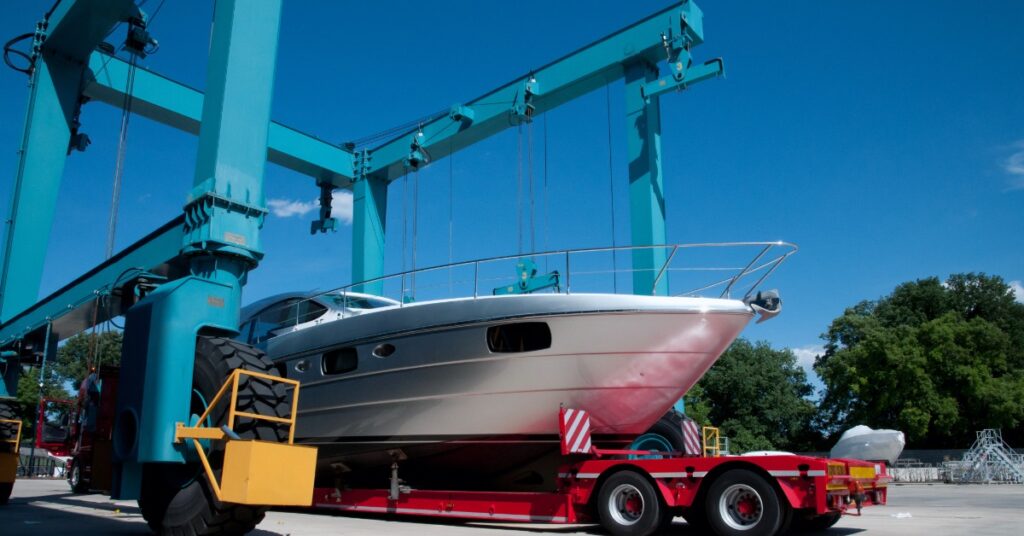
A yacht that is ready for cruising is not automatically ready for highway travel. Before loading, the vessel must be prepared for the conditions it will experience on the road. Secure loose gear, and exterior items that could shift or create excess height may require attention.
Preparation responsibilities should be clear before pickup day. The owner should ask the transport provider what they need to complete in advance and what work will happen during loading. If marina personnel or another marine professional must handle specific preparation, scheduling that work early can prevent delays. Last-minute surprises can affect timing, especially when they involve equipment removal or access to marina services.
Moving a large yacht over land involves more than choosing the shortest highway between two locations. The yacht’s loaded dimensions can influence the route and the permits required for the trip. Height, width, and other transport considerations may determine which roads are practical.
Permit requirements can also affect the final cost of a move. Because each yacht and route is different, owners should expect the transporter to evaluate the specific vessel rather than rely on a generic mileage calculation. A longer route may sometimes be necessary to accommodate the loaded yacht safely. The transporter uses those details to plan a workable route and account for transportation requirements before the yacht leaves the marina.
The receiving marina or yard needs preparation too. The owner should confirm that the facility expects the yacht and can accommodate the transport equipment.
A receiving facility may have its own schedule for unloading or launching the yacht. If the transporter arrives when the necessary personnel or equipment are unavailable, the delivery can become more complicated.
Owners should also make sure the receiving contact has the transport schedule and knows who to reach if timing changes. Long-distance transportation can involve variables on the road, so practical communication remains important until delivery is complete.
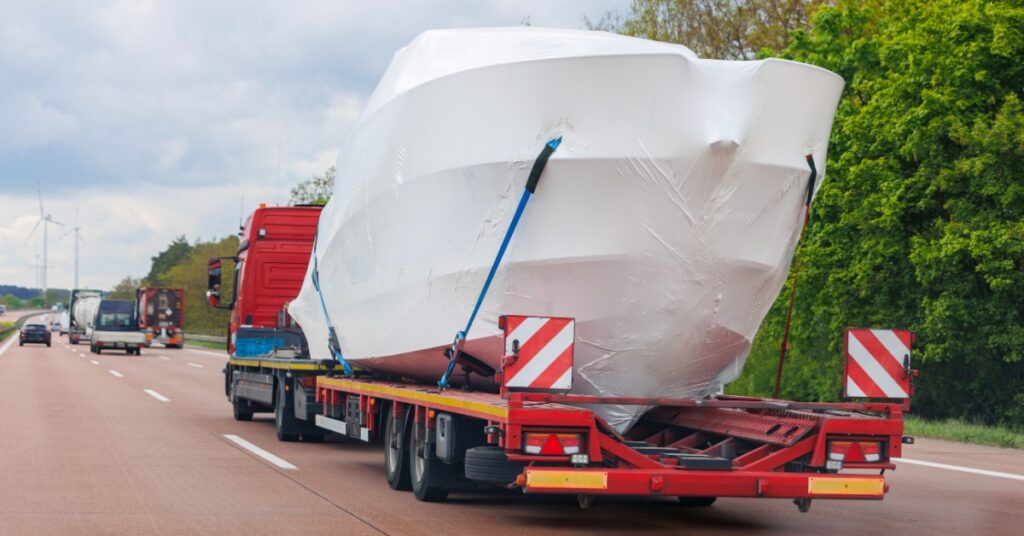
A newly purchased yacht represents a significant investment, and owners naturally want to know what is happening during transport. Clear communication should begin before pickup and continue through delivery.
Good communication is especially valuable when several parties remain involved after closing. Brokers and marina staff may still have responsibilities connected to the vessel.
Owners should also ask questions when a transport detail is unclear. A professional provider should be able to explain the process in straightforward terms without making the owner sort through unfamiliar transportation requirements alone.
Not every boat transport service can accommodate large yacht moves. Buyers should work with a provider that has appropriate hauling equipment and experience with the type of vessel they are transporting. The company should also communicate clearly about pricing and care.
Set Sail Boat Transport uses its own semi-truck and specialized trailer for yacht transportation rather than relying on a customer’s trailer. We provide ground transportation for yachts throughout the lower 48 states and focus on clear communication throughout the move.
Managing the logistics of transporting a newly purchased yacht after closing becomes easier when you treat transportation as part of the ownership transition, not a separate last-minute task. Accurate dimensions and thoughtful scheduling help move the yacht from the seller’s location toward its next destination successfully with fewer preventable complications.
Set Sail Boat Transport provides professional yacht transport services for owners moving large vessels, using specialized equipment while emphasizing transparent pricing and attentive care. With an experienced transport partner handling the overland move, a new owner can focus on preparing for the yacht’s arrival and the next chapter of ownership. Request a quote today to learn more.